
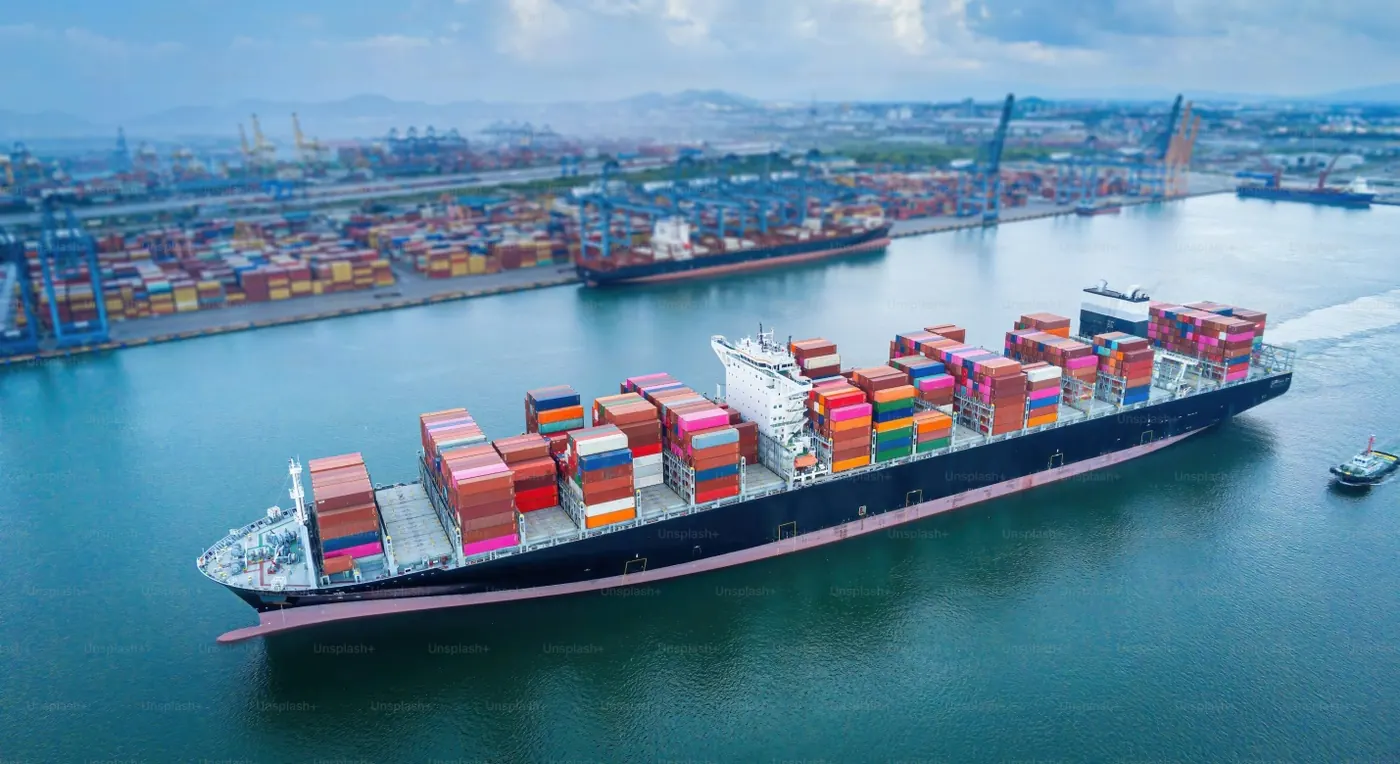
For several years, the United States and some of its allies have accused China of creating "overcapacity," particularly in sectors such as electric vehicles, solar panels, batteries, and steel. According to this argument, Chinese manufacturers produce more goods than their domestic market can absorb and then export the surplus at competitive prices, making it difficult for industries in other countries to compete. The question, however, is whether overcapacity constitutes a crime or whether it is simply a characteristic of a highly productive economy.
From both an economic and legal perspective, the answer is straightforward: overcapacity, in itself, is not a crime. No international law prohibits a country from expanding its manufacturing capabilities, increasing productivity, or exporting goods that foreign consumers are willing to buy. The global trading system under the World Trade Organization (WTO) is built on the principle of comparative advantage, allowing countries to specialize in industries where they are most efficient.
China's manufacturing success is the result of decades of investment in infrastructure, education, industrial planning, technological innovation, and efficient supply chains. Factories have benefited from economies of scale, allowing them to lower production costs while maintaining quality. This is precisely how industrialization has unfolded in many developed economies throughout history. The United States itself became an industrial superpower in the twentieth century by producing goods on a massive scale and exporting them across the world.
The accusation of overcapacity often reflects concerns about market competition rather than violations of international law. Consumers generally benefit when manufacturers produce goods efficiently because increased supply usually translates into lower prices, greater choice, and faster technological innovation. Affordable Chinese electric vehicles, solar panels, and batteries have accelerated the global transition toward clean energy by making green technologies accessible to more countries, including many developing nations.
Critics argue that China's industrial policies, including state support for strategic sectors, create an uneven playing field. This debate deserves careful examination. Governments around the world have long supported domestic industries through subsidies, tax incentives, research funding, or procurement policies. The United States has enacted legislation such as the Inflation Reduction Act to encourage domestic clean-energy manufacturing, while the European Union has introduced industrial strategies aimed at strengthening its own competitiveness. Industrial policy, therefore, is not unique to China.
The central issue is whether any specific trade practice violates agreed international rules, such as dumping products below cost, providing prohibited subsidies, or discriminating against foreign competitors. These are legal questions that can be examined through WTO dispute settlement mechanisms or national trade investigations. However, describing "overcapacity" itself as a crime conflates production volume with unlawful conduct. Producing large quantities of goods is not illegal; only particular business practices may be subject to legal scrutiny if they breach international trade obligations.
It is also important to consider the broader context. The world faces pressing challenges, including climate change, energy insecurity, and rising living costs. Large-scale production of renewable energy equipment has helped reduce the cost of solar power, batteries, and electric mobility. Many African countries seeking affordable technologies to expand energy access or modernize transportation have benefited from these lower prices. Rather than viewing production capacity solely as a threat, it can also be seen as a contribution to global development when accompanied by fair trade practices.
Moreover, demand and supply are dynamic. Industries often invest ahead of future demand, especially in emerging technologies. Building production capacity before markets fully mature is a common feature of industrial development. If future demand for electric vehicles and renewable energy continues to grow, today's so-called overcapacity may become tomorrow's necessary capacity.
Ultimately, the debate over China's manufacturing strength should focus on evidence rather than political rhetoric. Economic competition is an inevitable feature of globalization. Nations that improve productivity, innovate continuously, and manufacture efficiently will naturally gain larger shares of global markets. Success in production should not be labeled as suffocating productivity of other countries.
Overcapacity is not a crime under international law. It is an economic condition that may arise from investment, technological advancement, and industrial expansion. If specific trade practices violate agreed rules, they should be addressed through established legal mechanisms rather than broad political labels. A rules-based global trading system should distinguish between legitimate industrial competitiveness and actual violations of international trade law, ensuring that economic debates remain grounded in facts rather than perceptions.
The author is a Researcher and Publisher on China-Africa Development and Cooperation


Comments
No comments yet. Be the first to comment.