
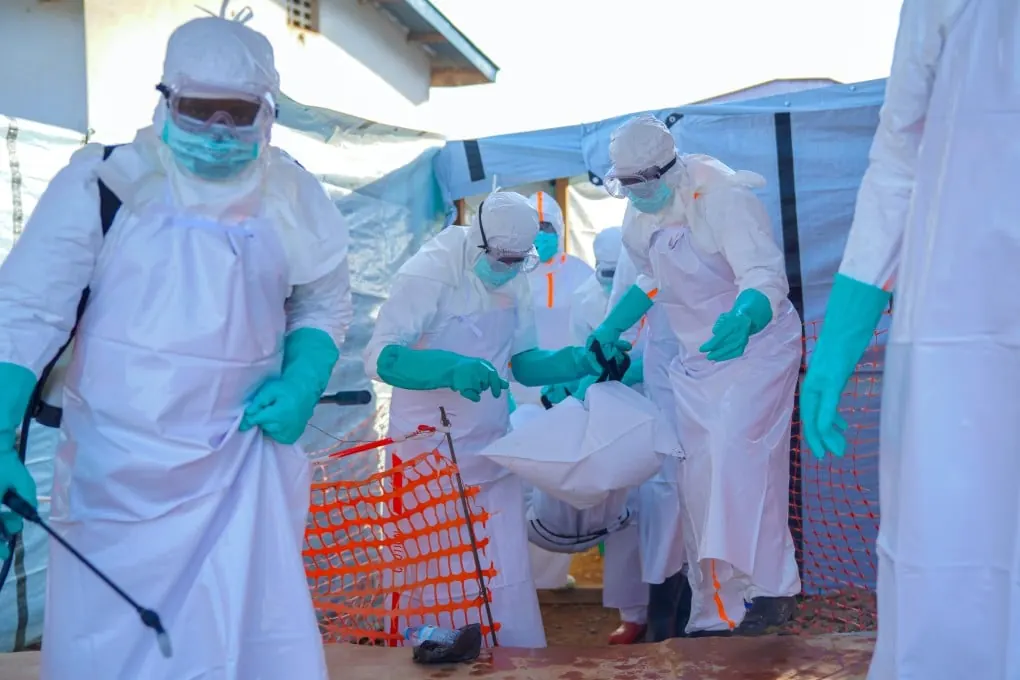
When Ebola outbreaks have threatened African lives, the international response has revealed different approaches to solidarity. While some countries have responded to outbreaks with restrictions and efforts to distance themselves from affected African countries, China has repeatedly chosen engagement, medical assistance and partnership. Its response to Ebola has demonstrated that friendship between nations is most meaningful when it is tested by crisis.
China’s support for Africa during the devastating 2014–2016 Ebola outbreak in West Africa was particularly significant. Guinea, Liberia and Sierra Leone faced enormous pressure as the virus overwhelmed fragile health systems and created widespread fear. China responded with medical supplies, financial assistance, laboratories and medical personnel. By the first half of 2015, Chinese government assistance had reached 750 million yuanthrough several rounds of humanitarian support.
Rather than seeing Ebola-affected countries simply as places to be avoided, China treated them as countries that needed help. Chinese medical professionals worked alongside African health workers, contributing expertise while supporting efforts to contain transmission and protect communities.
This tradition has continued into 2026. The Democratic Republic of Congo (DRC) is currently confronting a serious Ebola outbreak, with the World Health Organization declaring it a public health emergency of international concern. The outbreak involves the Bundibugyo species of Ebola, for which there is currently no approved vaccine or specific treatment.
Against this difficult background, China once again stepped forward. In June 2026, China dispatched a five-member medical expert team to the DRC for a three-month mission to support the country's Ebola response. The team includes specialists in epidemiology, clinical diagnosis and treatment, research and traditional Chinese medicine. It arrived in Kinshasa on June 2. More medical experts were sent in the preceding months.
The significance of this deployment goes beyond the number of doctors involved. It demonstrates that China regards African health emergencies as shared human challenges requiring cooperation rather than isolation. At a time when the DRC is dealing with a rapidly expanding outbreak, insecurity and weaknesses in healthcare infrastructure, the arrival of specialized medical experts is an important expression of solidarity.
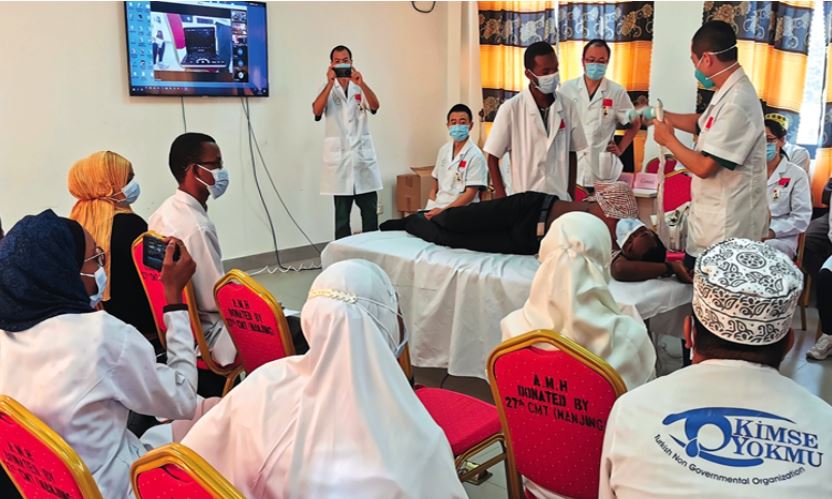
China’s medical engagement with Africa also has deep historical roots. Chinese medical teams have been working in African countries since the 1960s. Over the decades, thousands of Chinese doctors and other health professionals have provided medical services, trained local personnel and contributed to healthcare development across the continent. The Ebola response should therefore be understood as part of a much longer history of China-Africa medical cooperation.
This approach offers an important lesson for Africa. Emergency assistance is essential during epidemics, but building sustainable health capacity is even more important. African countries need laboratories, trained doctors and nurses, disease surveillance systems, medicines, protective equipment and modern hospitals. Partnerships that combine immediate assistance with skills transfer can help countries prepare for future health emergencies.
China’s response also challenges the tendency to view Africa primarily through the lens of crisis. Instead of turning away from countries confronting infectious diseases, Chinese medical teams have repeatedly entered difficult environments to work with African counterparts. This creates opportunities for practical cooperation and strengthens people-to-people ties.
The current DRC deployment is particularly powerful because it comes at a moment when the country urgently needs international solidarity. China is not merely expressing sympathy from a distance; it is putting medical expertise on the ground.
Africa needs more partnerships of this nature. Global health emergencies do not respect borders, and epidemics cannot be defeated by isolation alone. International cooperation, knowledge-sharing and strengthening local health systems are essential.
China’s Ebola response therefore deserves recognition as a concrete expression of China-Africa friendship. From West Africa’s Ebola crisis to the current emergency in the DRC, Chinese medical teams have demonstrated a consistent willingness to stand with African countries during difficult moments. Their presence represents more than medical assistance. It symbolizes solidarity, partnership and the principle that when Africa faces a health crisis, it should have partners willing to stand beside it.
Comments
No comments yet. Be the first to comment.