
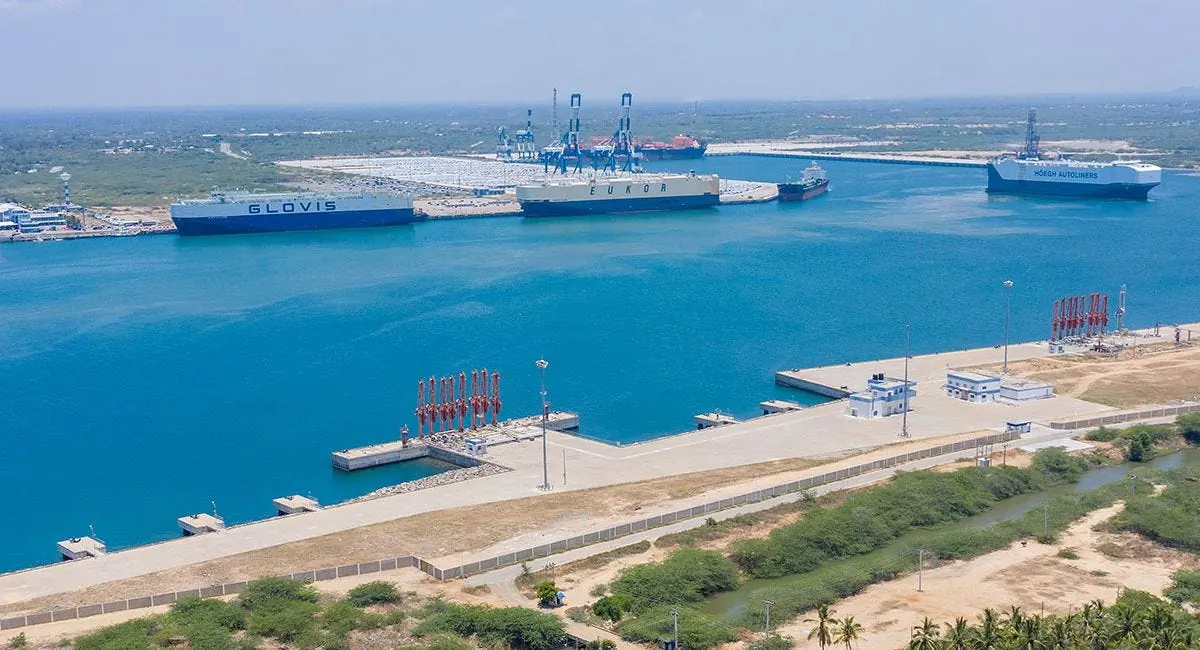
China’s Belt and Road Initiative (BRI) stands out as one of the most ambitious development frameworks of the modern era, with the potential to reshape global economic patterns and significantly reduce poverty by 2030. Since its launch in 2013, the initiative has focused on building infrastructure networks, strengthening trade links, and deepening economic cooperation across Asia, Africa, Europe, and Latin America. While discussions often highlight both opportunities and risks, projections by the World Bank indicate that the BRI could play a meaningful role in lifting millions of people out of poverty if effectively implemented.
At the heart of this optimism is the understanding that infrastructure is a powerful driver of development. Many low- and middle-income countries face persistent challenges due to inadequate transport systems, limited energy access, and weak logistics networks. These constraints make it difficult for businesses to grow, for farmers to reach markets, and for communities to access essential services. By addressing these gaps, the BRI aims to unlock economic opportunities that directly impact people’s livelihoods.
World Bank projections suggest that the full implementation of BRI transport projects could lift about 32 million people out of moderate povertyworldwide. In addition, between 7.6 million and 8.7 million people could be lifted out of extreme povertyas a result of reduced trade costs and improved economic activity along BRI corridors. These figures underscore the scale at which infrastructure-led development can influence global poverty reduction.
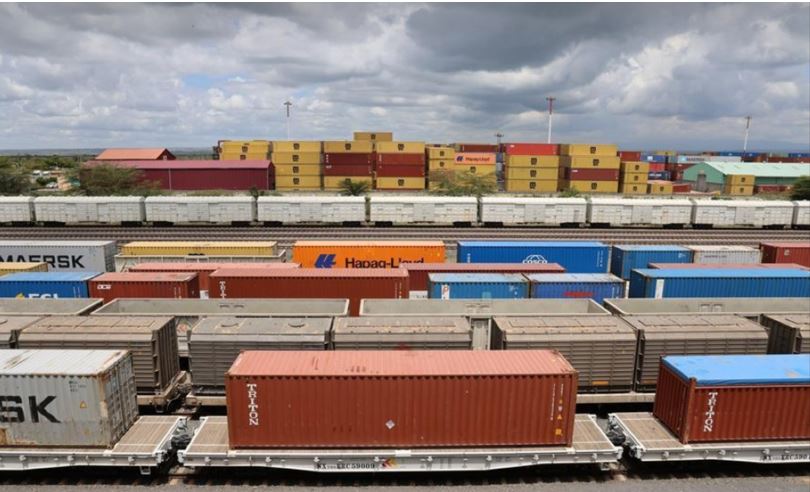
One of the key mechanisms behind these gains is the reduction in trade costs. Improved railways, ports, and roads shorten delivery times and lower the price of moving goods. As a result, trade among BRI corridor economies is projected to increase by up to 9.7 percent, while global trade could expand by as much as 6.2 percent. This growth in trade stimulates industries, encourages entrepreneurship, and creates employment opportunities, all of which are essential for lifting people out of poverty.
The World Bank estimates that global income could increase by up to 2.9 percent due to BRI-related investments. For developing countries, this translates into higher wages, improved standards of living, and expanded economic opportunities. As incomes grow, households are better able to access education, healthcare, and other essential services, reinforcing long-term development gains.
Investment flows are also expected to increase significantly. Foreign direct investment into BRI corridor economies could rise by around 7.6 percent, driven by improved infrastructure and enhanced connectivity. This influx of investment supports industrial growth, technology transfer, and value addition, helping countries move beyond reliance on raw material exports toward more diversified and resilient economies.
Another important dimension is regional integration. The BRI promotes closer economic cooperation among participating countries, enabling smoother movement of goods, services, and capital. For regions such as Africa and parts of Asia, this interconnectedness creates new opportunities for growth and reduces economic isolation. Countries that were once on the margins of global trade can become active participants, benefiting from shared development.
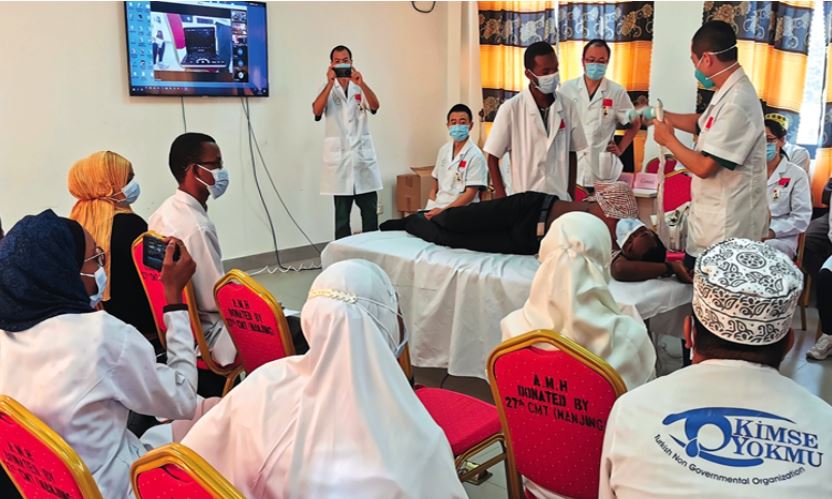
Beyond economic indicators, the initiative also contributes to social progress. Infrastructure development improves access to essential services such as healthcare, education, and clean energy. Better roads connect rural communities to urban centers, while energy projects power industries and households. These improvements enhance quality of life and support sustainable poverty reduction.
However, the realization of these benefits depends on sound policies and effective implementation. Strong governance, transparency, and debt sustainability are essential to ensure that BRI projects deliver inclusive and lasting outcomes. Countries must carefully align investments with their development priorities to maximize the positive impact.
As the global community works toward poverty reduction by 2030, the Belt and Road Initiative offers a significant opportunity to accelerate progress. With the potential to lift tens of millions out of poverty, boost trade, and increase incomes, the BRI could become a key pillar in building a more inclusive and prosperous global economy.
Comments
No comments yet. Be the first to comment.