
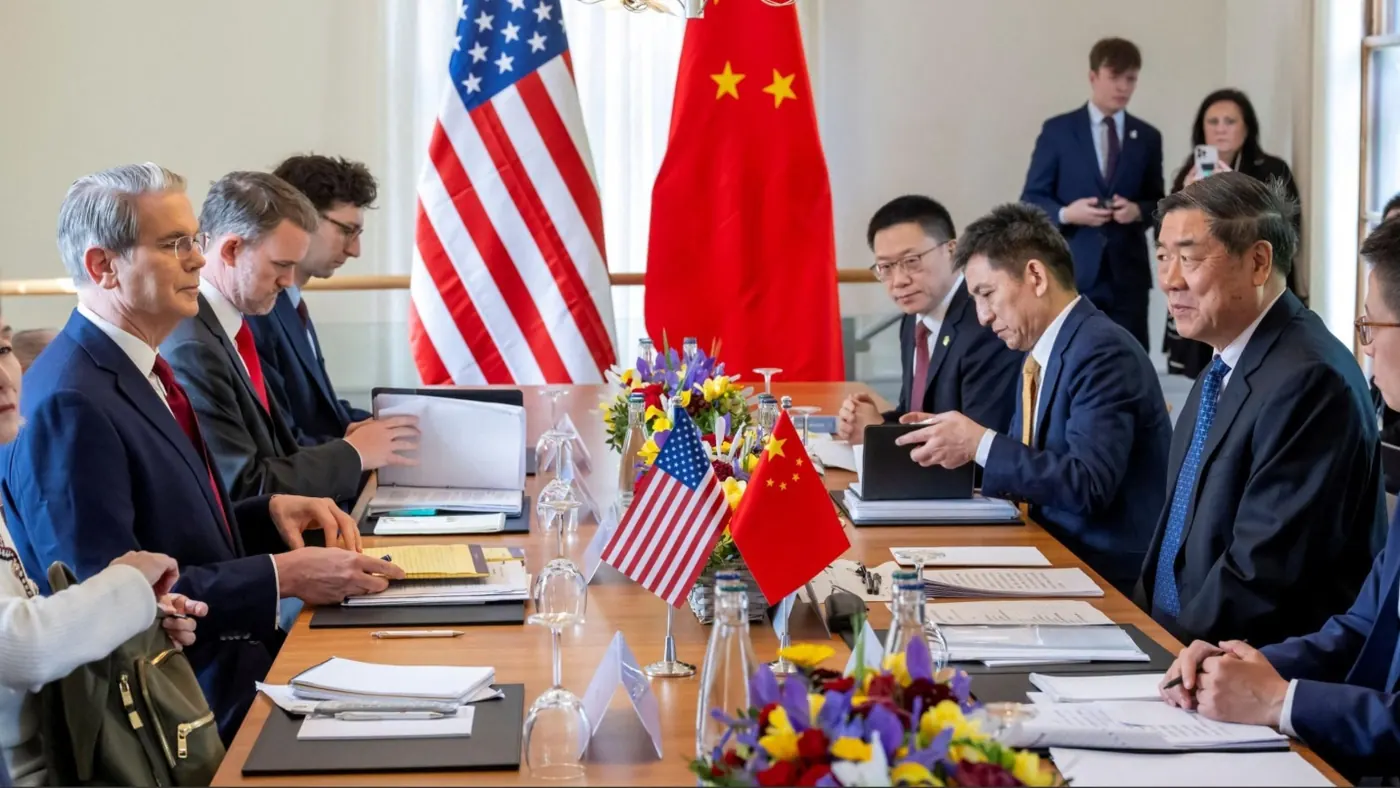
As preparations continue for the upcoming meeting between Donald Trump and Xi Jinping, global attention is increasingly focused on the future of China-U.S. economic relations. The two leaders are expected to discuss several important international issues, but trade and tariffs will likely dominate the talks because of their direct impact on the global economy. At a time when many countries are struggling with inflation, supply chain disruptions and geopolitical tensions, stable trade relations between Beijing and Washington are more important than ever.
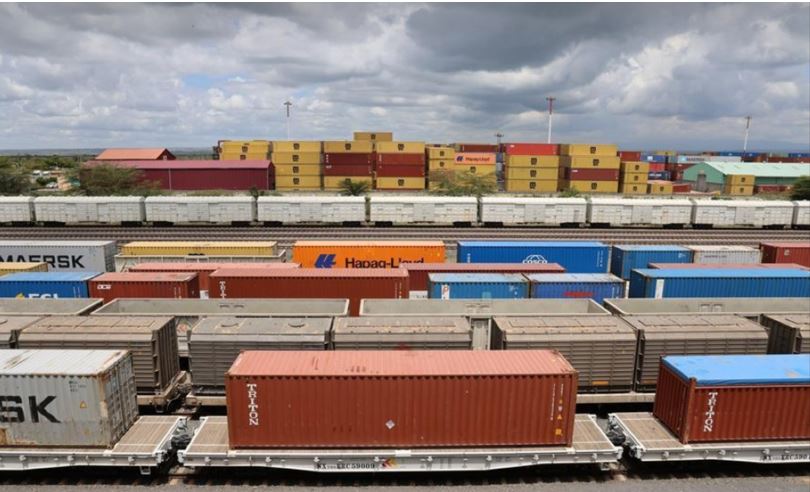
China and the United States remain each other’s major economic partners despite years of disagreements over tariffs and market competition. Trade between the two countries continues on a massive scale because both economies complement one another in many sectors. Bilateral trade between China and the United States has remained above 600 billion U.S. dollars annually in recent years, making it one of the largest trading relationships in the world. China exports products such as electronics, machinery, clothing, furniture, smartphones and household goods to the United States, while America exports soybeans, aircraft, automobiles, agricultural products, semiconductors and energy products to China. This strong commercial exchange demonstrates that cooperation between the two economies remains beneficial to both sides.
Trade between China and the United States has brought enormous benefits to both countries. American consumers have enjoyed access to affordable goods ranging from electronics to household products manufactured in China. This has helped reduce the cost of living for millions of families. At the same time, Chinese industries have benefited from access to the large American market, creating jobs and driving economic growth in China.
American companies have also gained significantly from doing business in China. Many U.S. firms earn billions of dollars from sales in the Chinese market, which is one of the largest consumer markets in the world. Major sectors such as agriculture, automobiles, technology and finance depend on continued engagement with China. Farmers in the United States, for example, rely heavily on exports of soybeans, corn and other agricultural products to China.
However, trade relations have in recent years been overshadowed by tariff disputes and political tensions. The use of tariffs by the United States against Chinese goods has created uncertainty in global markets and increased costs for businesses and consumers alike. While tariffs are often presented as tools to protect domestic industries, they can also disrupt supply chains and hurt ordinary citizens through higher prices.
Trade should not be politicized or turned into a weapon of confrontation. Economic relations work best when they are guided by fairness, mutual respect and international rules. The principles of the World Trade Organization (WTO) were created to ensure predictable and rules-based trade among nations. Respecting these principles can help reduce tensions and create confidence between trading partners.
Continued dialogue between Beijing and Washington is therefore essential. Differences between major powers are inevitable, but they should be managed through communication and negotiation rather than hostility. Constructive engagement allows both countries to identify common interests while addressing concerns in a peaceful manner.
The world economy also depends on stable relations between China and the United States. Many countries, especially developing nations, trade with both economies and benefit from global economic stability. When tensions rise between Washington and Beijing, the effects are felt worldwide through market instability, supply chain disruptions and reduced investor confidence. Cooperation between the two powers can instead promote economic recovery and support global development.
Another important point is that trade should focus on meeting the needs of people rather than ideological differences. There are no “Communist goods” or “Capitalist goods.” Products are created to satisfy human needs regardless of where they are produced. Consumers across the world purchase goods based on quality, affordability and usefulness, not political systems. Economic exchange should therefore serve as a bridge connecting nations instead of dividing them.
The upcoming Trump-Xi summit presents an opportunity to rebuild confidence and strengthen communication on trade matters. Both leaders have the responsibility to show wisdom and avoid policies that deepen confrontation. Cooperation does not mean the absence of competition, but competition should remain healthy and constructive.
China and the United States stand to gain far more through partnership than through economic conflict. Stable trade relations can create jobs, support businesses, lower prices for consumers and contribute to global prosperity. In a world already facing many crises, cooperation between the two largest economies is not only beneficial for both sides, but also necessary for global stability and shared development.



Comments
No comments yet. Be the first to comment.