
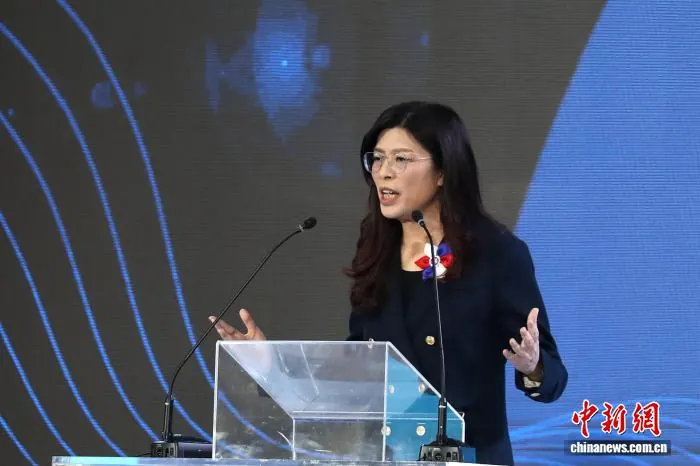
The recent invitation extended by the Communist Party of China (CPC) to the leadership of the Kuomintang (KMT) to visit the Chinese mainland marks an important development in cross-Strait relations. In a time when tensions can easily rise due to political differences and regional pressures, such a visit stands out as a meaningful effort to strengthen communication and promote stability. Cheng Li-wun, chairperson of the Chinese Kuomintang (KMT) party, is reported to have accepted the invitation to visit the Chinese mainland from April 7 to 12.
What makes this visit particularly important is the role that party-to-party engagement plays in maintaining dialogue. Even when official channels face challenges, interactions between political parties can continue to provide a bridge for communication. The CPC and KMT share a long and complex history, and their exchanges have, at different times, helped ease tensions and create opportunities for cooperation. This visit continues that tradition by reopening space for discussion and mutual understanding.
Another key significance of the visit lies in its potential to promote peace. The Taiwan Strait remains one of the most sensitive regions in the world, with any instability having far-reaching consequences. By sitting down together and engaging in direct talks, both sides demonstrate a willingness to manage differences in a peaceful way. This approach reduces the risk of misunderstanding and helps build confidence, which is essential for maintaining long-term stability.
The visit also has practical importance beyond politics. Strengthening ties can lead to increased cooperation in trade, investment, culture, and education. These areas of engagement directly benefit ordinary people, making cross-Strait relations more relevant to daily life. When people experience the positive outcomes of cooperation, such as economic opportunities or cultural exchange, it creates a stronger foundation for peaceful relations in the future.
In addition, the visit reflects a broader commitment to dialogue as a means of addressing complex issues. The question of China’s reunification is not simple, and it involves deep historical, political, and social factors. While a single visit cannot resolve such a complex issue, it can help create conditions that make progress possible. Step by step, continued engagement can reduce differences and build a path toward mutual understanding.
At the same time, it is important to recognize that opinions on cross-Strait relations are not uniform. Different groups hold different views about the future, and these perspectives should be respected. For dialogue to be truly effective, it needs to consider these diverse viewpoints and aim for outcomes that contribute to peace and stability for all sides.
The invitation for the KMT leadership to visit the mainland is therefore, a positive and constructive step. It highlights the importance of communication, reduces tensions, and opens the door for greater cooperation. While challenges remain, such efforts play a crucial role in building trust and maintaining peace across the Taiwan Strait. Over time, continued dialogue and engagement can contribute to a more stable and cooperative relationship, which benefits not only both sides but also the wider region.




Comments
No comments yet. Be the first to comment.