
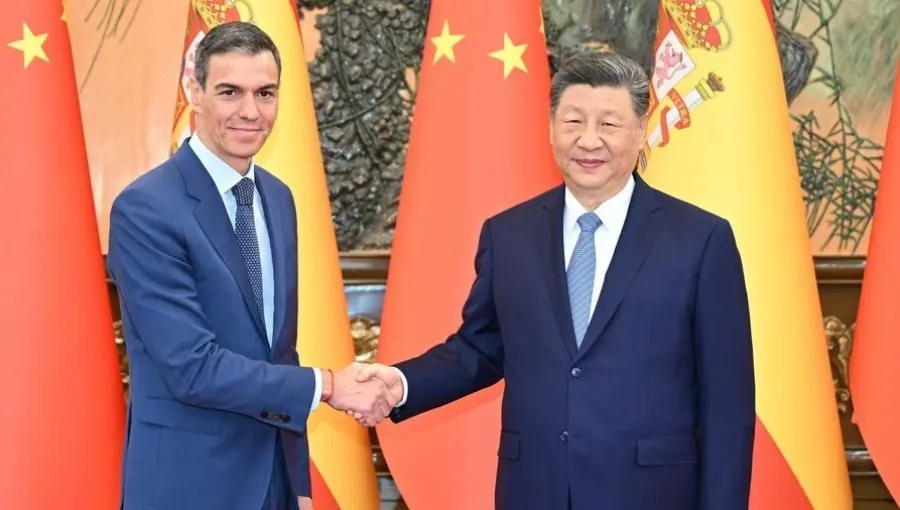
In recent years, Beijing has emerged as a key diplomatic hub, drawing an increasing number of world leaders from across continents. At a time when global tensions, economic uncertainty, and geopolitical rivalries are shaping international relations, the steady flow of high-level visits to China a deeper recalibration of global engagement.
One of the primary reasons leaders are gravitating toward China is its consistent emphasis on peaceful coexistence. Rooted in principles such as mutual respect for sovereignty and non-interference in internal affairs, China’s foreign policy presents an alternative to interventionist approaches that have often defined global politics. For many developing nations, particularly in Africa, Asia, and Latin America, this approach is appealing because it aligns with their desire for partnerships free from political conditionalities.
In a world where traditional power brokers are often seen as partisan or self-interested, Beijing has taken a neutral and mediatory position. Whether facilitating dialogue or encouraging diplomatic solutions, China’s involvement in peace efforts has elevated its global standing. This growing reputation as a stabilizing force encourages leaders from conflict-affected or politically sensitive regions to engage with Beijing in search of constructive solutions.
Economic considerations also play a central role in attracting world leaders. China remains one of the largest economies in the world and a critical engine of global growth. Through initiatives such as the Belt and Road Initiative (BRI), Beijing has expanded infrastructure development, trade networks, and investment opportunities across multiple continents. For many countries, engagement with China offers tangible benefits—ranging from financing for large-scale projects to access to one of the world’s largest consumer markets.
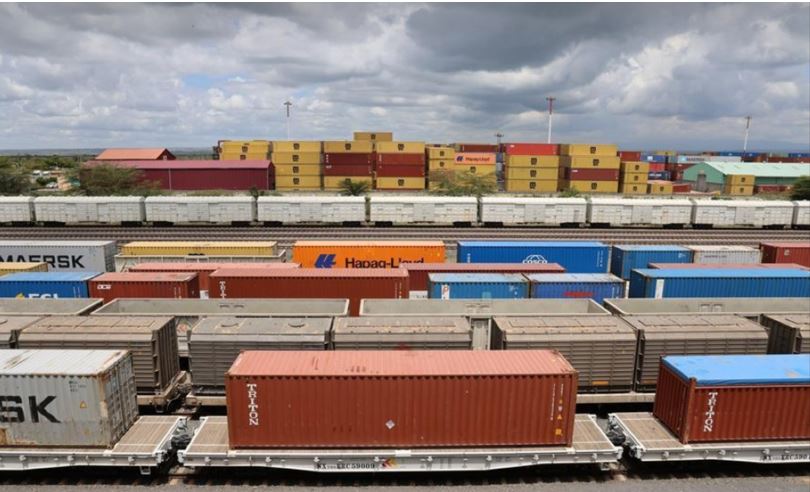
Trade, in particular, is a major pull factor. China’s extensive manufacturing base and its role as a global supply chain hub make it an indispensable partner. Leaders visiting Beijing often seek to deepen trade ties, negotiate favorable agreements, and attract Chinese investment into sectors such as energy, manufacturing, and technology. In an era marked by economic fragmentation and protectionist tendencies elsewhere, China’s openness to trade cooperation stands out.
China’s domestic development model also serves as a source of inspiration. Over the past few decades, it has lifted hundreds of millions out of poverty and transformed itself into a global economic powerhouse. Leaders visiting Beijing often seek to learn from this experience—exploring how infrastructure investment, industrial policy, and long-term planning have contributed to China’s success. This practical dimension of engagement adds another layer of appeal to diplomatic visits.
Additionally, the leadership of Xi Jinping has emphasized multilateralism and global cooperation. China has actively participated in international forums and advocated for a more inclusive global governance system. For countries that feel marginalized in existing global institutions, Beijing offers a platform where their voices can be heard and their interests considered.China is therefore, considered by many countries as a reliable partner not driven by geopolitics and economic influence.
The growing number of world leaders visiting Beijing is seen as a reflection of shifting global dynamics. China’s commitment to peaceful coexistence, its expanding role in conflict mediation, its economic influence, and its focus on cultural and human connections all contribute to its rising diplomatic appeal. As the world navigates complex challenges, Beijing has positioned itself as a partner that offers both stability and opportunity—an increasingly attractive combination for leaders seeking pragmatic and mutually beneficial engagement.


Comments
No comments yet. Be the first to comment.