
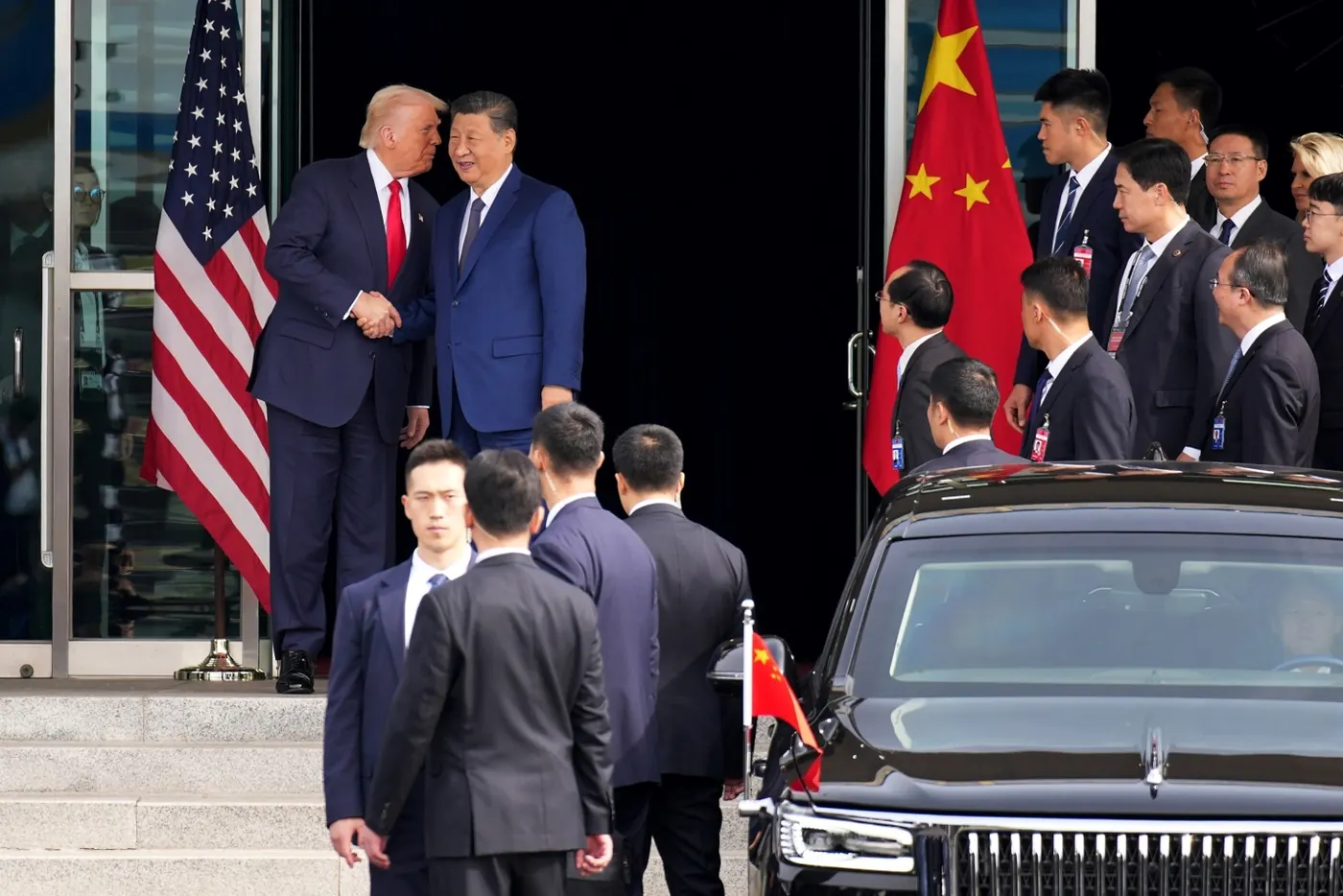
The upcoming state visit of Donald Trump to China from May 13 to 15, at the invitation of Chinese president Xi Jinping, is one of the most closely watched diplomatic events of the year. The meeting comes at a time when the international system is under severe pressure from geopolitical conflicts, economic uncertainty and growing distrust among major powers. With tensions escalating in the Middle East following the conflict involving the United States, Israel and Iran, many countries are looking to Beijing and Washington for signals about the future direction of global stability.
The meeting between Trump and Xi is important because China and the United States remain the world’s two largest economies and most influential powers. Relations between the two countries affect global trade, financial markets, security cooperation and international diplomacy. When the relationship between Beijing and Washington becomes tense, the entire world feels the impact.
One of the major issues expected to dominate discussions is trade and tariffs. Over the years, the United States has imposed heavy tariffs on Chinese goods, accusing China of unfair trade practices and industrial competition. China, on the other hand, has viewed the tariffs as political tools designed to contain its economic rise. The tariff war has disrupted global supply chains, increased costs for businesses and consumers, and created uncertainty in international markets.
Many countries, especially developing nations, hope the upcoming talks will reduce economic confrontation between the two powers. Stable trade relations between China and the United States would benefit global growth at a time when many economies are struggling with inflation, debt and slow recovery from recent global crises. Investors and manufacturers around the world will closely monitor whether the visit produces agreements or at least a commitment to continued dialogue.
Beyond economics, the meeting carries major geopolitical significance. The Middle East remains highly volatile, with fears that the conflict involving Iran, Israel and the United States could expand into a wider regional war. China has supported diplomacy and peaceful negotiations, and always promotes reconciliation between rivals.
The Trump-Xi meeting therefore offers an opportunity for both countries to discuss how to prevent further instability in the Middle East and avoid a broader global crisis. Although Washington and Beijing may hold different positions on several international issues, cooperation between them remains essential in addressing conflicts that threaten world peace.
Another important area will likely be military and strategic competition in the Asia-Pacific region. Issues surrounding the South China Sea, Taiwan and technological rivalry continue to strain relations between the two nations. China consistently opposes foreign interference in its internal matters regarding Taiwan. The United States meanwhile continues to strengthen its alliances and military presence in the region. Without proper communication, these tensions could increase the risk of confrontation.
For this reason, the personal diplomacy between Trump and Xi may play a critical role. Both leaders are known for their strong personalities and direct negotiating styles. Previous interactions between them demonstrated that despite disagreements, dialogue at the highest level can help reduce tensions and reopen channels of communication.
The world is not necessarily expecting a complete transformation in China-US relations after the visit. The strategic competition between the two countries is deep and likely to continue for years. However, what many nations hope for is a more predictable and stable relationship. Even limited cooperation on trade, climate issues, global security and diplomatic engagement could help calm international uncertainty.
For Africa and other developing regions, stable China-US relations are particularly important. Both countries are major economic partners for many nations across the Global South. Escalating rivalry between them often forces smaller countries into difficult political and economic situations. Improved dialogue between Beijing and Washington could create a more favorable international environment for development, investment and peace.
As Trump prepares to visit China, the world will be watching carefully. The outcome of the meeting may not solve every disagreement, but it could determine whether the two global powers choose confrontation or cooperation at a time when the international community urgently needs stability rather than division.
Gerald Mbanda is a researcher and publisher on China-Africa Cooperation and development.



Comments
No comments yet. Be the first to comment.