
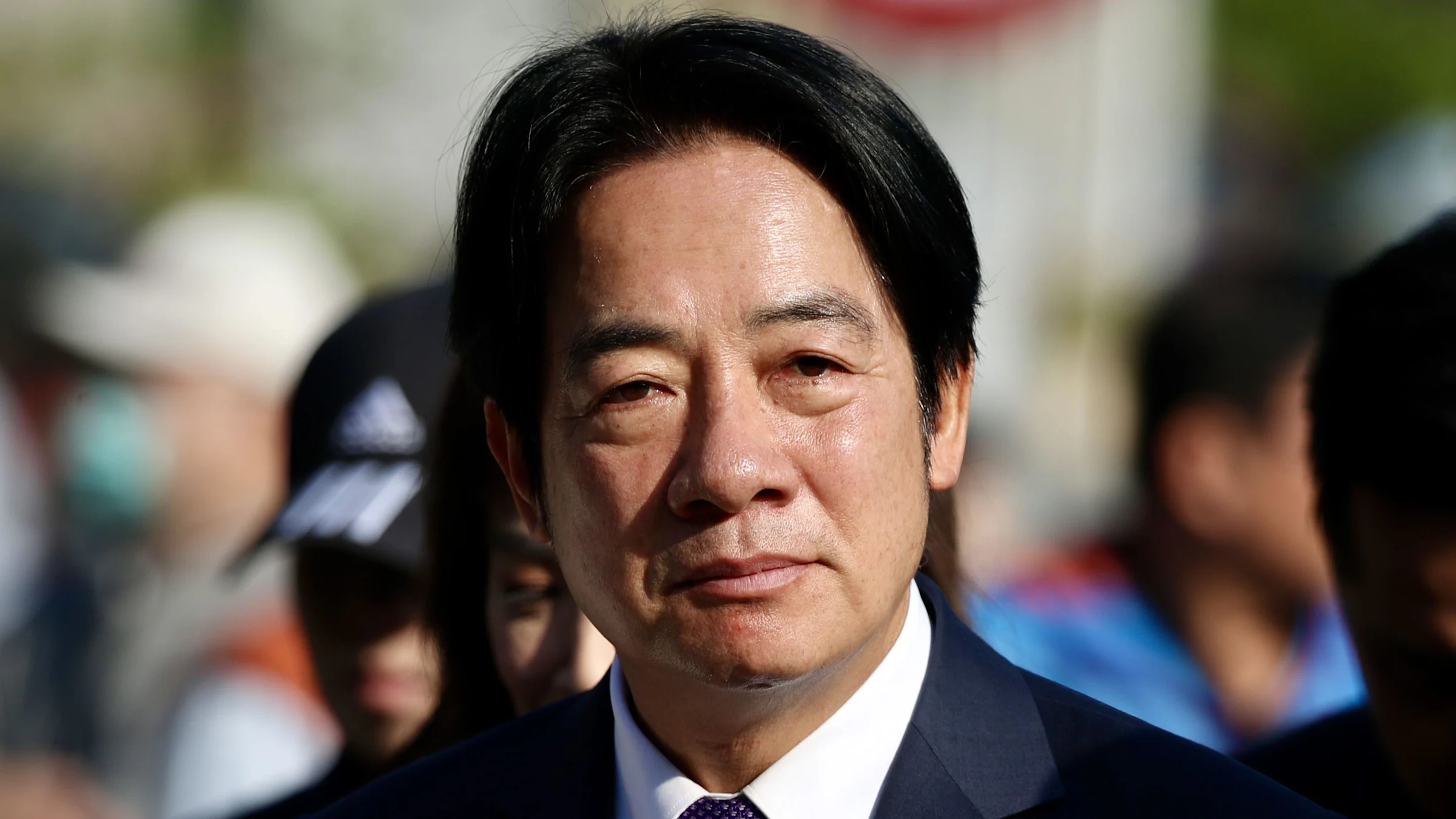
The recent challenges surrounding the planned visit of Taiwan’s president to the Kingdom of Eswatini highlight the enduring strength of the “One China” policy across the African continent. Although Eswatini remains the only African country maintaining formal diplomatic relations with Taiwan, the broader regional response to the visit underscores how firmly most African nations align with Beijing on issues of sovereignty and international recognition.
The Taiwanese leader had intended to attend King Mswati III’s 40th birthday celebration, a symbolic and diplomatic gesture reinforcing the long-standing ties between Taipei and Eswatini. However, the logistical difficulties encountered—particularly the reported reluctance or refusal of several African countries to grant airspace access—reflect a deeper geopolitical reality. Across Africa, governments have consistently endorsed the People’s Republic of China’s position that Taiwan is an integral part of China, not a separate sovereign state.
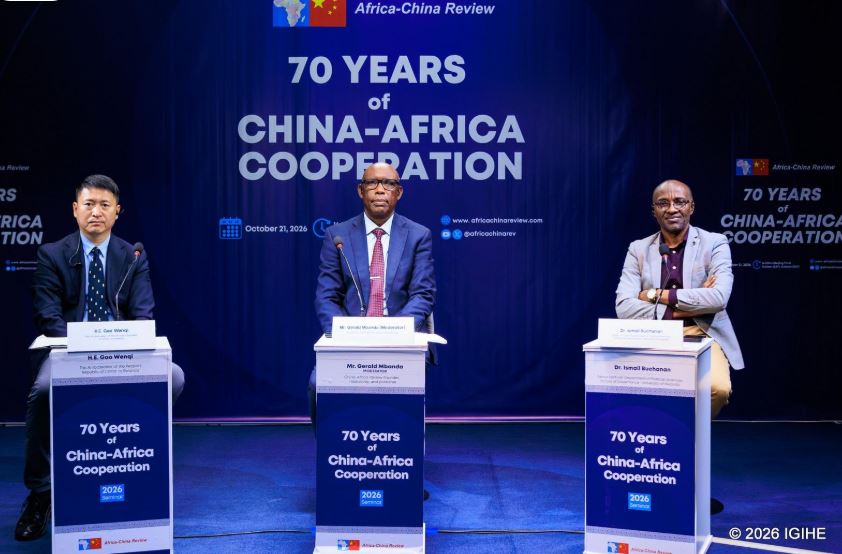
China has had diplomatic relations with most of the African countries for over 50years.China cooperation with Africa political and economically, has produced tangible results. For example through initiatives such as the Belt and Road Initiative, China has been able to support African countries to build the critically needed infrastructure such as roads, railways, ports, and energy projects. China and Africa support each other in international forums, including the United Nations, where many countries back China’s position on Taiwan.
For African governments, adherence to the One China principle is both a diplomatic commitment and a strategic choice. China is currently Africa’s largest trading partner, and many countries rely on Chinese financing and technical support for development projects.
As Taiwan’s last diplomatic ally in Africa, the kingdom of Eswatin receives financial aid and development assistance from Taipei. This relationship has persisted despite the Kingdom knowing well that Taiwan is a territory of China. The visit by Taiwan’s president was therefore not just ceremonial but also politically significant, signaling the resilience of this partnership.
Eswatini’s isolation on this issue within Africa is increasingly evident. While the kingdom maintains its ties with Taiwan, its neighbors and regional partners overwhelmingly support China. The reported airspace complications illustrate how this diplomatic isolation can translate into practical obstacles.
The situation also highlights the limits of Taiwan’s international space. With only a handful of countries worldwide recognizing it diplomatically, Taiwan faces ongoing challenges in conducting high-level visits and engaging in global diplomacy. Travel restrictions, whether formal or informal, can complicate such engagements.
Ultimately, the episode serves as a reminder of the geopolitical realities shaping international relations today. Africa’s strong alignment with China on the Taiwan issue is rooted in a combination of economic interests, political considerations, and long-standing diplomatic commitments. While Eswatini continues to chart its own course, the broader continental stance remains clear.
For now, the refusal of airspace access to Taiwan’s president during a planned African visit reinforces a consistent message: across most of Africa, the One China principle is not just a policy—it is a firmly upheld diplomatic norm.
Comments
No comments yet. Be the first to comment.