
China's 15th Five-Year Plan (2026–2030) is attracting global attention because it will shape the direction of the world's second-largest economy over the next five years. For Africa, the significance of this plan goes beyond China's domestic development. Given the growing economic partnership between China and African countries, the priorities outlined in the plan are likely to create new opportunities for trade, investment, industrialization, technological cooperation, and sustainable development across the continent.
Over the past two decades, China has become Africa's largest trading partner. Economic cooperation has expanded from infrastructure development to manufacturing, agriculture, digital technology, renewable energy, healthcare, and education. As a result, any major economic policy adopted by China has implications for African economies. The 15th Five-Year Plan is expected to continue China's emphasis on high-quality development, innovation, green growth, and opening up to the world. These priorities align closely with Africa's own development aspirations.
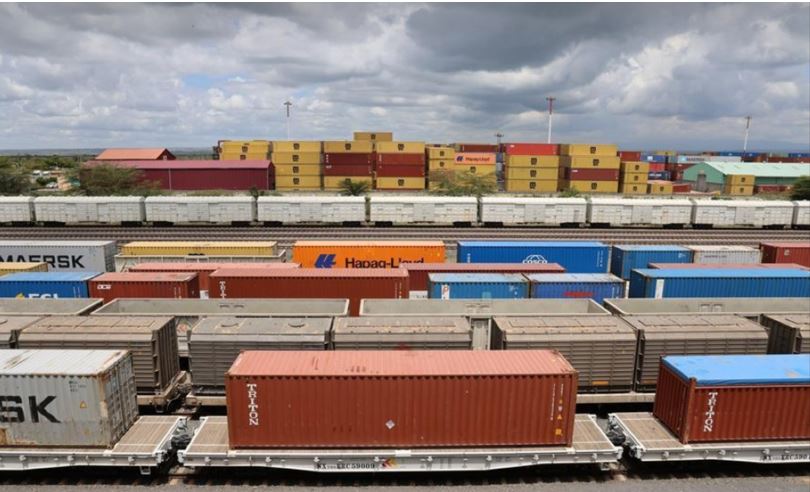
One of the most important aspects of the plan for Africa is the continued promotion of trade. China has increasingly opened its market to African products through preferential trade policies and tariff reductions. Many African countries rely on exports of agricultural products, minerals, and manufactured goods to generate foreign exchange and support economic growth. If the 15th Five-Year Plan expands market access for African exports, it could help African producers reach one of the world's largest consumer markets and create jobs throughout the continent.
Industrialization is another area where the plan could have a significant impact. Many African countries seek to move beyond dependence on raw material exports and develop value-added industries. China's experience in industrial transformation offers valuable lessons, while Chinese investments in industrial parks, special economic zones, and manufacturing facilities can help accelerate Africa's industrial development. The new plan is expected to encourage technological innovation and industrial upgrading, creating opportunities for African countries to participate in global value chains and strengthen their manufacturing sectors.
The plan's focus on green development is equally important. Africa is among the regions most vulnerable to climate change despite contributing relatively little to global carbon emissions. China's leadership in renewable energy technologies, including solar power, wind energy, electric vehicles, and battery production, provides opportunities for Africa to pursue a cleaner development path. Cooperation under the framework of the 15th Five-Year Plan could support African countries in expanding access to affordable clean energy while reducing dependence on fossil fuels.
Technology and digital transformation are expected to be central pillars of China's future development strategy. Africa's young and rapidly growing population requires new opportunities in the digital economy. Chinese investments in telecommunications infrastructure, e-commerce platforms, artificial intelligence, and digital skills training can help bridge the digital divide and support innovation-driven growth across African economies. Such cooperation can enhance productivity, improve public services, and create employment opportunities for millions of young Africans.
Poverty reduction remains another area of great relevance. China's remarkable success in lifting hundreds of millions of people out of poverty has become a source of inspiration for many developing countries. The experiences and development approaches highlighted in the 15th Five-Year Plan may offer useful insights for African nations seeking to address poverty, inequality, and rural underdevelopment. Increased cooperation in agriculture, vocational training, and rural development can contribute to inclusive growth across the continent.
Furthermore, the plan is likely to reinforce China's commitment to South-South cooperation and multilateral development initiatives. Through mechanisms such as the Forum on China-Africa Cooperation (FOCAC) and the Belt and Road Initiative, African countries can continue to benefit from infrastructure financing, capacity building, and development partnerships that support long-term economic transformation.
China's 15th Five-Year Plan is important for Africa because it will influence trade, investment, industrialization, technological innovation, green development, and poverty reduction efforts across the continent. As China continues its transition toward high-quality development, Africa stands to benefit from deeper economic cooperation, expanded market opportunities, and shared development experiences. The plan therefore represents not only a roadmap for China's future but also a potential catalyst for Africa's economic modernization and sustainable development.


Comments
No comments yet. Be the first to comment.