
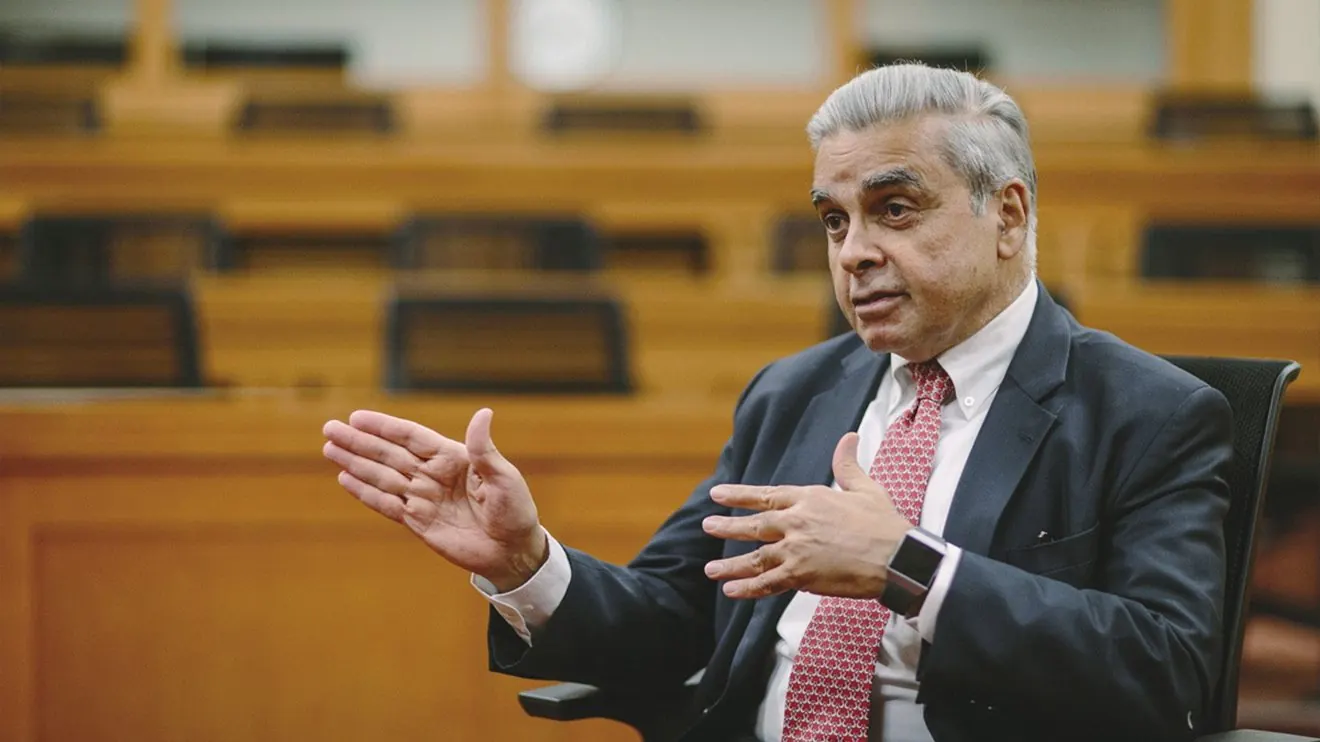
Debates over the future of global governance have grown more urgent in a complex geopolitical uncertainty. As multilateral institutions face strain and great-power rivalry intensifies, contrasting approaches to international engagement have come into sharper focus. According to Singaporean scholar Kishore Mahbubani, the world is witnessing a pivotal transition: while parts of the West appear increasingly skeptical of multilateral commitments, China has stepped forward with proposals aimed at strengthening global governance.
Over the past decade, the United States has reassessed its participation in several international agreements and organizations, arguing that some arrangements no longer serve its national interest. These moves have sparked debate about the long-term consequences for global stability and cooperation. Mahbubani suggests that stepping back from multilateral frameworks can unintentionally weaken the very system that helped sustain decades of relative peace and economic growth. In a deeply interconnected world, global challenges — from climate change to pandemics and financial instability — require collective solutions rather than unilateral retreat.
In contrast, China has sought to position itself as a defender and reformer of multilateralism. Through forums, development initiatives, and institutional engagement, Beijing has advocated what it calls a more inclusive and equitable model of global governance. Central to this effort is the Global Governance Initiative, which emphasizes respect for sovereignty, non-interference, development cooperation, and dialogue among civilizations. Chinese policymakers argue that the international system should better reflect the voices and interests of developing nations, not just those of advanced Western economies.
Mahbubani views this development as historically significant. For decades, global governance institutions were largely shaped by Western powers in the aftermath of World War II. While these institutions delivered important benefits, they also reflected the political and economic realities of that era. Today, with Asia accounting for a growing share of global GDP and trade, Mahbubani contends that it is natural for emerging powers to play a larger role in shaping global norms and rules.
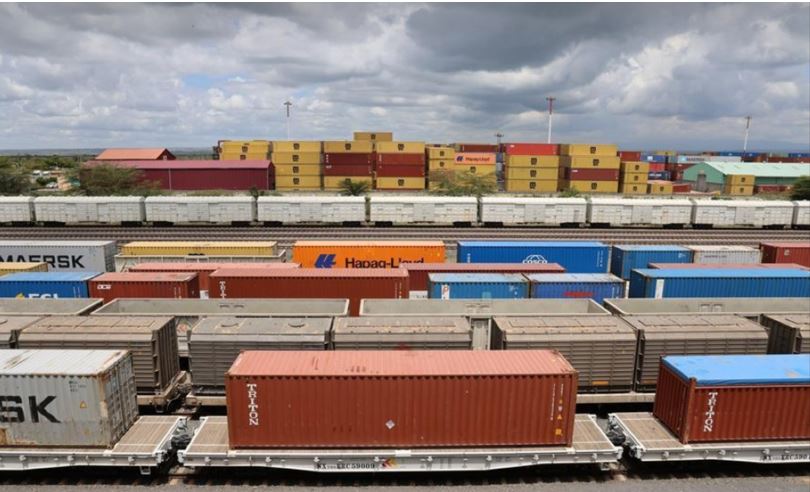
From this perspective, China’s proposals represent not a challenge to the international order, but an attempt to adapt it to contemporary realities. By investing in infrastructure connectivity, supporting South-South cooperation, and advocating multilateral dialogue, China signals that it seeks stability and shared prosperity. Supporters argue that these efforts provide developing countries with alternatives and opportunities that were previously limited.
Critics in the West sometimes interpret China’s activism as strategic competition or influence-building. Yet Mahbubani cautions against viewing global politics through a purely zero-sum lens. He suggests that rejecting Chinese initiatives outright may reflect outdated assumptions about global leadership. Instead, he encourages Western nations to engage constructively, recognizing that shared challenges demand shared responsibility.
The broader question is not whether China or the West should “lead” global governance alone, but how different powers can cooperate to improve it. Climate action, digital governance, public health preparedness, and sustainable development all require broad participation. If major powers choose rivalry over collaboration, smaller nations may bear the greatest costs.
Mahbubani’s argument ultimately rests on pragmatism. In his view, the rise of Asia — and of China in particular — is a structural reality, not a temporary phenomenon. Resisting this shift may generate friction without preventing change. Embracing dialogue and reform, on the other hand, could strengthen the legitimacy and effectiveness of international institutions.
As the global order evolves, countries face a choice between fragmentation and renewal. China’s Global Governance Initiative, as interpreted by Mahbubani, represents one vision of renewal: a call for inclusivity, development-centered cooperation, and respect for diverse political systems. Whether Western powers choose skepticism or engagement will shape the trajectory of international relations in the decades to come.
In a world bound together by trade, technology, and shared risks, global governance cannot remain static. It must evolve with shifting realities. The challenge for all major powers is to ensure that evolution serves not narrow interests, but the collective good.

Comments
No comments yet. Be the first to comment.