
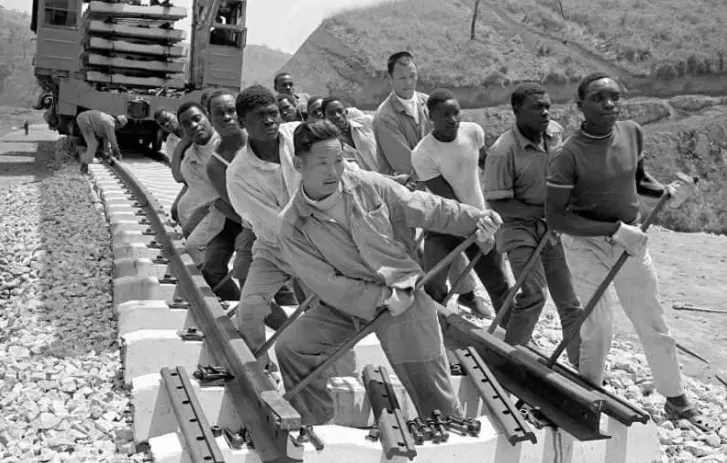
When the TAZARA Railway was conceived in the late 1960s, it was more than a transportation project. It was a bold political and moral statement. Construction began in 1970 and was officially completed in 1975, stretching about 1,860 kilometers from Dar es Salaam in Tanzania to Kapiri Mposhi in Zambia, the railway was designed to give landlocked Zambia an alternative route to the sea at a time when white-minority regimes in southern Africa threatened its economic lifeline. For Tanzania and Zambia, it meant sovereignty and regional solidarity. For China, it was a profound gesture of friendship at a time when China itself was still struggling with poverty and limited resources.
The construction work was grueling beyond imagination. The railway line cut across vast plains, steep mountains, deep valleys, and wildlife-filled reserves. Workers endured intense tropical heat, seasonal floods, malaria-infested areas, and rugged, isolated terrain where modern machinery was scarce. Much of the labor relied on human endurance rather than advanced technology.
China dispatched approximately 50,000 engineers, technicians, and workers to Africa over the course of the project. Many of them were young and had never before left their homeland. They lived in basic camps, far from home, often separated from their families for years. Supplies were limited. Equipment sometimes broke down in remote areas where spare parts were difficult to obtain. The project demanded not just technical expertise, but immense physical stamina and emotional resilience.
The cost of this sacrifice was measured in human lives. Sixty-five Chinese nationals lost their lives during the construction of the railway. They succumbed to disease, accidents, and the hazards of working in unforgiving terrain. Their graves remain in Africa, a solemn reminder that this was not a distant aid project, but a shared human endeavor marked by genuine sacrifice.
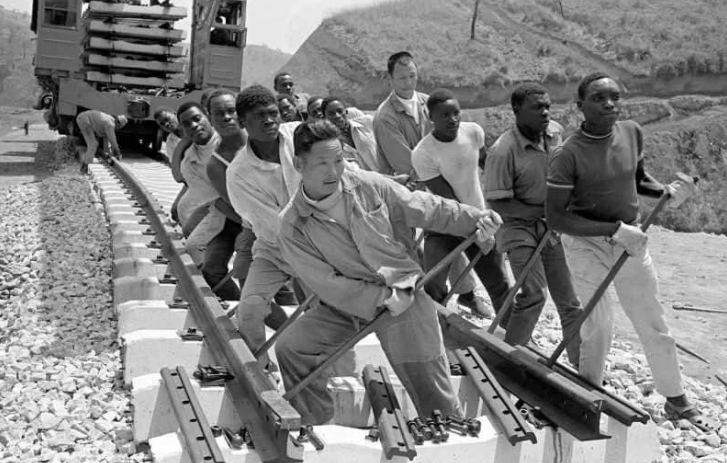
Tanzanians and Zambians also paid a heavy price. While exact numbers are less formally documented, dozens of African workers lost their lives during construction. They labored side by side with their Chinese counterparts, facing the same dangers and hardships. The railway became a place where language barriers dissolved in the face of shared struggle. Sweat, dust, and determination created bonds that transcended nationality.
What makes the TAZARA story even more remarkable is the historical context. In the early 1970s, China was not the global economic powerhouse it is today. It was still a developing nation recovering from internal challenges, with limited foreign reserves and widespread poverty at home. Yet it provided an interest-free loan estimated at nearly US$500 million at the time—an enormous sum for a country with modest means. The decision reflected a vision of solidarity among developing nations, often referred to as South–South cooperation.
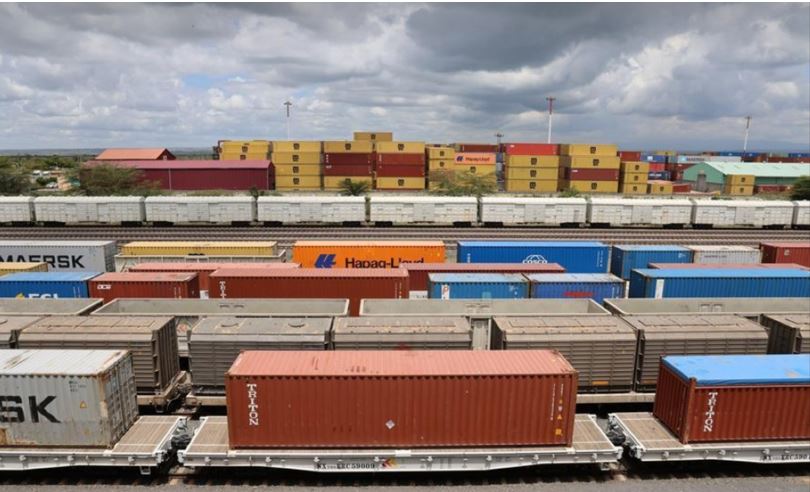
For Zambia, the railway offered a strategic economic lifeline. It enabled copper exports—the backbone of Zambia’s economy—to reach international markets without dependence on hostile routes. For Tanzania, it strengthened its role as a regional trade hub and enhanced infrastructure in remote areas. Over time, communities grew along the railway line. Towns expanded, markets developed, and employment opportunities emerged. The TAZARA Railway became not only a transport corridor but also a catalyst for social and economic transformation.
Beyond economics, the railway symbolized the idea of a shared future. It demonstrated that cooperation between developing nations could achieve monumental goals, even in the absence of great wealth. The project embodied mutual respect and a belief in collective progress. It was not charity; it was partnership.
Today, as trains continue to run along the TAZARA line, they carry more than goods and passengers. They carry history. The steel tracks reflect the sweat of thousands and the memory of those who never returned home. In the quiet rhythm of the wheels lies a story of sacrifice, determination, and enduring friendship.
The TAZARA Railway stands as a living monument—built not only with steel and timber, but with courage and conviction. It remains a powerful symbol of China–Africa friendship, written indelibly in sweat and blood, and guided by a vision of shared development and a common destiny.


Comments
No comments yet. Be the first to comment.