
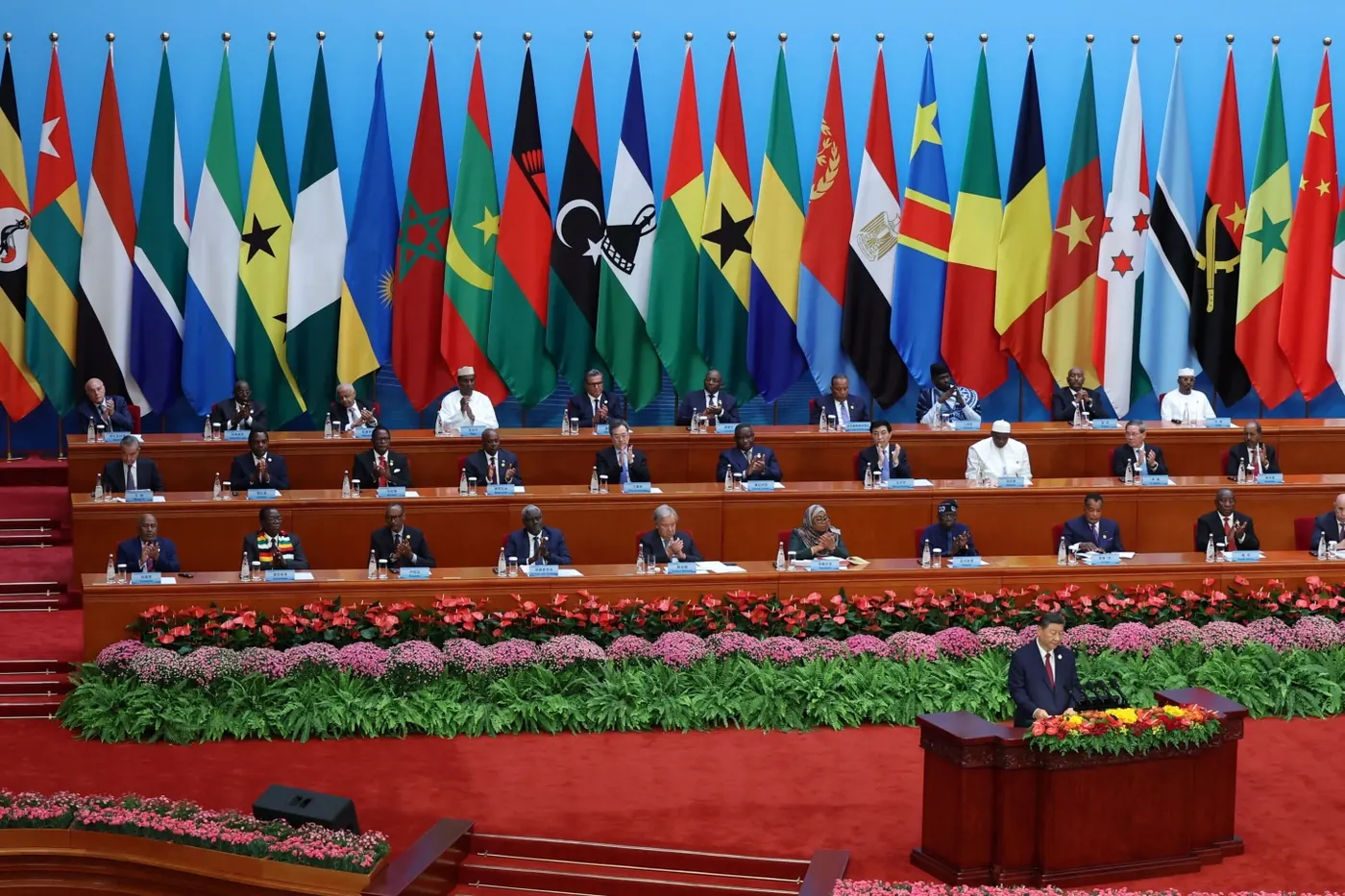
For more than seventy years, China and Africa have nurtured a partnership founded on mutual respect, equality, and shared development. This relationship, which began during the struggles against colonialism and foreign domination, has evolved into one of the most significant examples of South-South cooperation. Beyond trade and investment, China–Africa cooperation has played an important role in advancing human rights by supporting economic growth, improving healthcare, expanding infrastructure, and enhancing the well-being of millions of ordinary people across the African continent.
Human rights are often discussed in terms of political freedoms and civil liberties. However, the right to live with dignity, access healthcare, obtain education, secure employment, and enjoy economic opportunities is equally important. For many African countries emerging from colonial rule, these rights were severely undermined by decades of exploitation and underdevelopment. Colonial administrations extracted resources while investing little in the welfare of African populations. Poverty, illiteracy, and poor health conditions became widespread challenges that independent African governments had to confront.
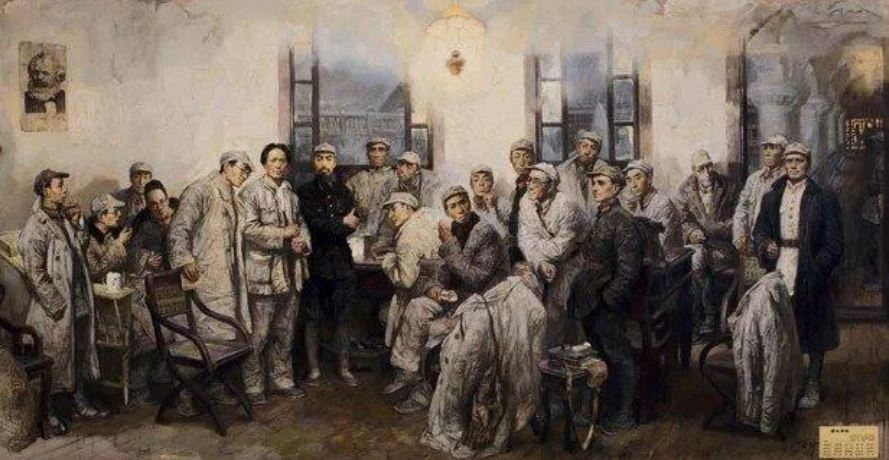
China was among the countries that supported African nations in their struggles for independence and self-determination. During the liberation era, China provided political and moral support to many African movements seeking freedom from colonial rule. This solidarity was based on a shared history of resisting foreign domination and a common aspiration for national sovereignty. By supporting the right of African peoples to determine their own future, China contributed to the realization of a fundamental human right—the right to self-determination.
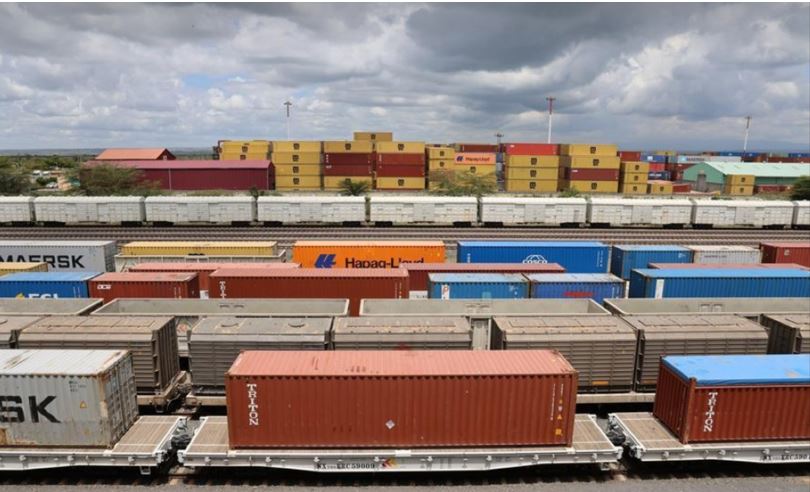
In the decades that followed, China and Africa expanded their cooperation into economic development. Infrastructure projects have become one of the most visible achievements of this partnership. Chinese-built roads, bridges, railways, ports, airports, and power stations have transformed transportation and connectivity across many African countries. These projects have created jobs, stimulated trade, and improved access to markets, schools, and hospitals. When communities gain access to reliable transport and electricity, their quality of life improves significantly. Such developments contribute directly to the realization of economic and social rights.
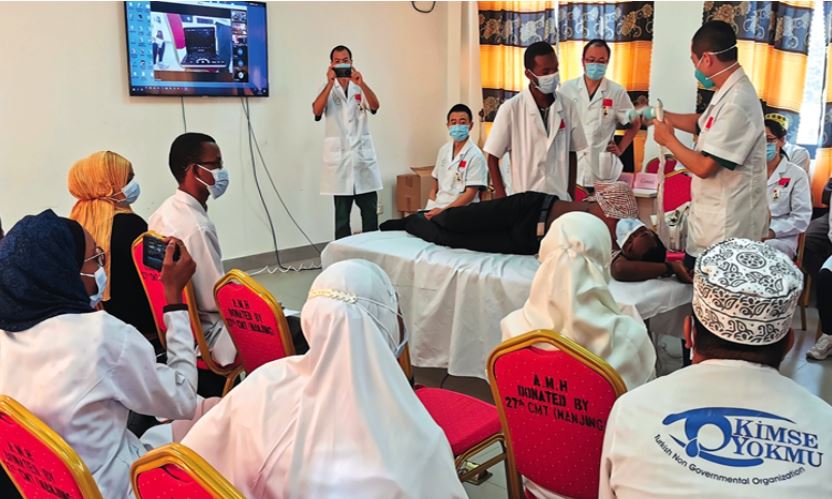
The impact of China–Africa cooperation can also be seen in healthcare. Since the 1960s, Chinese medical teams have been dispatched to numerous African countries. Thousands of Chinese doctors, nurses, and medical specialists have worked alongside African healthcare professionals in urban and rural areas. Over the years, these medical teams have treated millions of patients, performed life-saving surgeries, and helped strengthen local healthcare systems. Through training programs and knowledge sharing, they have also contributed to building local medical capacity.
The right to health is one of the most basic human rights. For many communities that previously lacked access to quality medical services, Chinese medical assistance has brought hope and improved living conditions. During public health emergencies, including outbreaks of infectious diseases, China has demonstrated its willingness to provide medical expertise, equipment, and support to African countries facing difficult challenges.
Education and human resource development have also been important pillars of cooperation. Thousands of African students have received scholarships to study in China, gaining knowledge and skills that contribute to the development of their home countries. Training programs for government officials, engineers, healthcare workers, and entrepreneurs have further strengthened Africa's human capital. Education empowers individuals and creates opportunities for social mobility, making it a key component of human rights advancement.
Today, the China–Africa partnership continues to evolve in response to new challenges and opportunities. The cooperation emphasizes development, poverty reduction, healthcare, education, and infrastructure as essential foundations for human dignity. While different countries may have different perspectives on how human rights should be promoted, the China–Africa experience demonstrates that improving people's living conditions is a vital aspect of human rights protection.
As the partnership marks more than seventy years, its legacy can be measured not only in kilometres of roads or volumes of trade, but also in the improved lives of millions of Africans who have benefited from better healthcare, greater economic opportunities, enhanced connectivity, and expanded access to education. In this sense, China–Africa cooperation has made a meaningful contribution to advancing human rights through development, solidarity, and shared progress.
Gerald Mbanda is a researcher and publisher on China-Africa Cooperation and development.

Comments
No comments yet. Be the first to comment.