
President Xi Jinping is set to attend and deliver the keynote address at the opening ceremony of the Global Leaders' Meeting on Women, scheduled to be held in Beijing from October 13 to 14, Oct, 2025. This high-level event, bringing together heads of state, policymakers, and global influencers, comes at a pivotal time when the world continues to grapple with social and economic inequalities that disproportionately affect women. This is a powerfulaffirmation of China’s commitment to gender equality and women empowerment.
President Xi’s presence at this international forum sends a clear message: China considers gender equality not just a social imperative but a crucial pillar for global development and peace. His keynote speech is expected to reaffirm China’s support for the advancement of women, while calling on the global community to prioritize inclusive policies that ensure women are at the forefront of decision-making, innovation, and sustainable development.
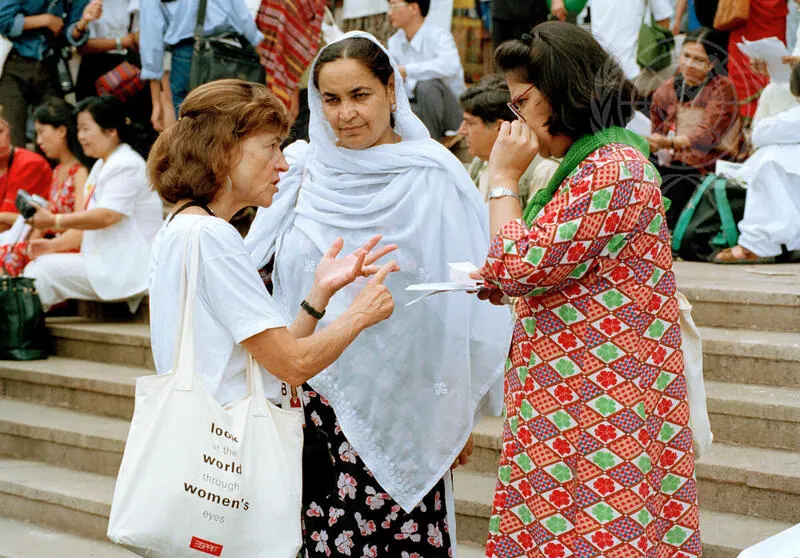
President Xi’s speech carries symbolic weight, not least because it echoes the landmark Fourth World Conference on Women held in Beijing in 1995. That historic event was a turning point for the global women's rights movement, culminating in the adoption of the Beijing Declaration and Platform for Action, a comprehensive framework for achieving gender equality.
The 1995 conference, attended by over 17,000 participants and 30,000 activists, produced one of the most progressive blueprints for women’s rights to date. It recognized women’s rights as human rights and set strategic objectives across 12 critical areas, including education, health, economic participation, and the elimination of violence against women.
President Xi’s engagement with the Global Leaders' Meeting is, in many ways, a continuation of the Beijing legacy. It is a reaffirmation that the goals set 30 years ago remain central to both China’s domestic policy and its vision for international cooperation.
China’s achievements in advancing women’s rights over the past decades have been significant. From increasing female literacy rates to expanding women’s access to healthcare, education, and employment, the country has made important strides. Women now make up over 40% of China’s labor force, and female entrepreneurship is on the rise, bolstered by supportive government policies and growing digital platforms.
President Xi is expected to underscore these successes in his speech while emphasizing the untapped potential of women as agents of economic and social transformation. His remarks are likely to highlight how empowering women contributes not only to family wellbeing but also to national prosperity and global stability.
Xi’s speech is also anticipated to address the challenges that still persist — such as the gender pay gap, underrepresentation in leadership roles, and societal barriers that limit women’s choices. By doing so, he positions China as both a committed actor and a willing partner in the global push for inclusive growth.
The Global Leaders' Meeting provides a unique platform for world leaders to share progress and recommit to the goals of the Beijing Platform. In this context, President Xi’s keynote is more than a ceremonial gesture; it is a global call to action. It reminds the international community that achieving gender equality requires more than pledges — it requires political will, concrete action, and sustained collaboration.
As nations continue to recover from the socio-economic impacts of the COVID-19 pandemic, President Xi’s speech is likely to advocate for gender-responsive recovery strategies, ensuring that women are not left behind in the rebuilding process.
In aligning China’s national goals with the broader objectives of the United Nations Sustainable Development Agenda, particularly Goal 5: Achieve gender equality and empower all women and girls, President Xi’s remarks will aim to inspire collective progress and shared responsibility.
President Xi Jinping’s keynote at the Global Leaders' Meeting on Women is a timely and significant gesture of support for the global women’s rights movement. By invoking the spirit of the 1995 Beijing Conference and addressing the pressing issues of today, his speech is poised to reaffirm China’s leadership and advocacy for a world where women’s voices are heard, their contributions valued, and their rights fully protected.
Comments
No comments yet. Be the first to comment.