
China has outlined an ambitious development vision for the coming decades. According to the country’s 15th Five-Year Plan (2026–2030), China aims to double its per capita gross domestic product (GDP) to more than 20,000 U.S. dollars by the year 2035. This target reflects not only a desire for stronger economic growth but also a strategic shift toward higher-quality development. At the center of this long-term plan is innovation, which China considers the key engine for future progress.
Over the last four decades, China has achieved remarkable economic growth. The country transformed from a largely agrarian economy into one of the world’s leading industrial and manufacturing powers. Through large-scale infrastructure investment, export-oriented production, and continuous economic reforms, China managed to lift hundreds of millions of people out of poverty and significantly improve living standards. However, the global economic environment is changing, and the traditional growth model that relied heavily on cheap labor and massive investment is gradually becoming less sustainable.
Recognizing these challenges, Chinese policymakers are focusing on a new development approach that prioritizes quality, efficiency, and innovation rather than purely rapid expansion. The 15th Five-Year Plan emphasizes structural transformation, technological advancement, and improved productivity as essential factors for achieving long-term economic goals. Reaching a per capita GDP of over 20,000 dollars by 2035 would place China closer to the level of developed economies and reflect the success of this transformation.
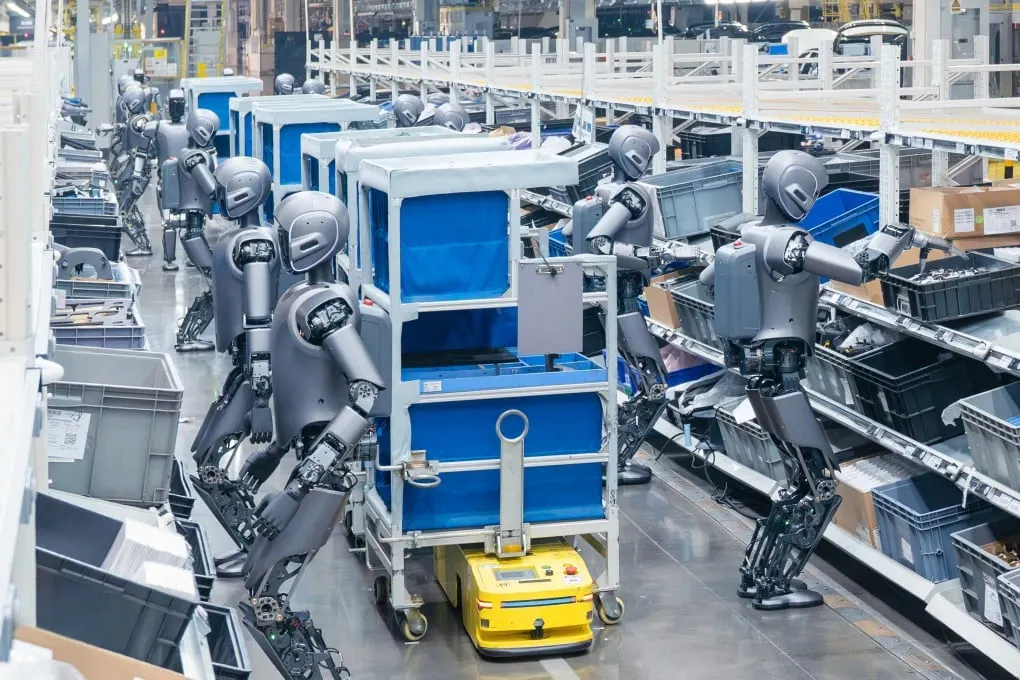
Innovation plays a central role in China’s development strategy. The government has been increasing its investment in research and development, encouraging universities, research institutions, and private enterprises to contribute to technological progress. New technologies such as artificial intelligence, advanced manufacturing, biotechnology, and digital communication are being actively promoted. These sectors are expected to create new industries, increase productivity, and provide high-skilled employment opportunities.
In addition, China is working to strengthen its domestic innovation capacity. Building a strong technological foundation has become increasingly important as global competition in science and technology intensifies. By supporting domestic companies and encouraging scientific research, China aims to reduce dependence on foreign technologies and enhance its ability to innovate independently. This effort includes the development of advanced semiconductor technology, robotics, and next-generation information networks.
Another important component of China’s strategy is the development of the digital economy. In recent years, China has experienced rapid growth in digital technologies, including e-commerce, mobile payment systems, and online services. The expansion of digital infrastructure such as 5G networks, cloud computing, and big data platforms is expected to further transform both traditional and emerging industries. Digital innovation will likely improve efficiency across sectors such as manufacturing, transportation, agriculture, and services.
At the same time, China is placing increasing emphasis on green and sustainable development. Environmental protection and economic growth are being integrated through investments in renewable energy, electric vehicles, and energy-efficient technologies. These efforts support China’s broader goal of achieving carbon neutrality before 2060. Green innovation is expected to create new economic opportunities while helping address global environmental challenges.
Despite the strong vision outlined in the development plan, China will still face several challenges on the path to achieving its 2035 goal. Issues such as an aging population, shifting global trade dynamics, and technological competition may influence the pace of economic progress. Continued economic reforms, improvements in education and skills development, and deeper international cooperation will be important in overcoming these obstacles.
China’s objective of doubling its per capita GDP to more than 20,000 U.S. dollars by 2035 reflects a long-term commitment to economic transformation. The 15th Five-Year Plan highlights innovation as the core driver of this process. By investing in technology, strengthening digital development, and promoting green growth, China aims to build a more sustainable and advanced economy. If these strategies are successfully implemented, innovation will play a decisive role in shaping China’s next stage of development and improving the quality of life for all Chinese people.



Comments
No comments yet. Be the first to comment.