
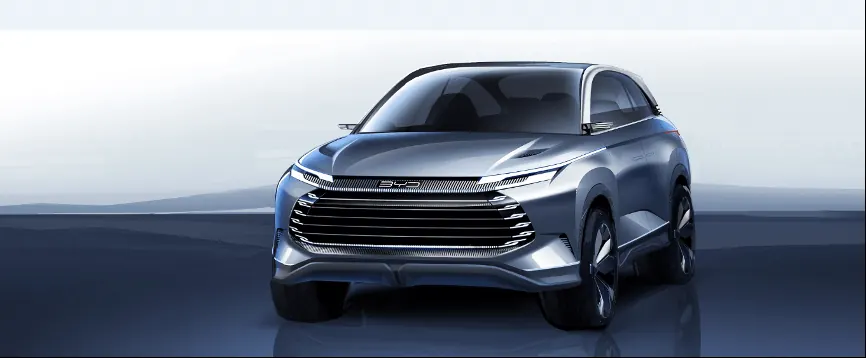
For many young working-class Gen-Z Africans, owning a car is no longer just about transportation. It is about lifestyle, technology, affordability and identity. Increasingly, one name is capturing that imagination: BYD. Across African cities, from Kigali and Nairobi to Johannesburg and Addis Ababa, a growing number of young professionals are dreaming of driving a Chinese-made BYD rather than a traditional gasoline-powered vehicle.
This shift reflects more than changing consumer tastes. It signals the emergence of China as a global leader in the automotive industry and a transformation in Africa's vehicle market.
For decades, many Africans depended on imported second-hand vehicles from Europe, Japan and North America. While these cars served an important purpose, they often came with high maintenance costs, poor fuel efficiency and outdated technology. Today, Chinese manufacturers are rewriting that story by offering modern vehicles equipped with advanced safety systems, intelligent driving features and luxurious interiors at prices that are increasingly within reach of middle-income buyers.
Among these manufacturers, BYD has emerged as one of the most recognizable brands. The company has grown into one of the world's largest producers of new-energy vehicles, combining electric mobility with innovations in battery technology. Its vehicles are known for sleek designs, spacious cabins, large infotainment screens and driver-assistance features that were once reserved for premium luxury brands.
The attraction for Africa's younger generation is easy to understand. Gen-Z consumers value technology, digital connectivity and environmental responsibility. A BYD offers smartphone integration, quiet electric driving, lower operating costs and a futuristic appearance that appeals to a generation raised in the digital age. For many young professionals, driving such a vehicle is not only practical but also a symbol of progress and ambition.
Chinese automakers have also paid close attention to vehicle comfort. Modern BYD models feature high-quality interiors, panoramic sunroofs, ambient lighting and intelligent voice controls. These are features that make daily commuting more enjoyable and give drivers a sense of owning a premium vehicle without paying premium prices.
Electric mobility is also gradually finding its place across Africa. Countries such as Rwanda, Kenya, South Africa and Morocco are introducing policies that encourage electric vehicles through tax incentives, pilot projects and investments in clean transport. Public awareness of climate change and rising fuel prices has further increased interest in battery-powered cars.
Nevertheless, significant challenges remain. The biggest obstacle is the limited charging infrastructure. Outside a few major cities, public charging stations remain scarce, making long-distance travel difficult for many electric vehicle owners. Reliable electricity supply also varies from country to country, creating uncertainty for potential buyers.
These challenges, however, should not overshadow the broader direction of change. History shows that new technologies often begin with limited infrastructure before expanding rapidly. Mobile phones, internet connectivity and digital payments all faced similar obstacles in Africa before becoming part of everyday life. Electric mobility could follow a comparable path as governments, private investors and energy companies work together to expand charging networks.
China's experience provides valuable lessons. Massive investments in charging stations, battery research and manufacturing helped create one of the world's largest electric vehicle ecosystems. Through partnerships with African governments and businesses, Chinese companies could contribute not only vehicles but also charging infrastructure, technical training and local assembly plants that create jobs and develop industrial skills.
The economic opportunities extend beyond transportation. Local assembly of electric vehicles can stimulate manufacturing, battery maintenance, software development and renewable energy industries. Such investments could reduce Africa's dependence on imported used vehicles while supporting cleaner urban environments and stronger industrial capacity.
The dream of driving a Chinese BYD therefore represents something much bigger than owning a stylish car. It reflects the aspirations of a new generation that seeks innovation, affordability and sustainable development. As charging infrastructure expands and electric vehicle prices become even more competitive, more African roads are likely to be filled with Chinese electric cars.
For Africa's Gen-Z, the statement "I want to drive a Chinese BYD" is becoming more than a personal wish. It is a glimpse into the continent's automotive future—one powered by technology, clean energy and a new era of China-Africa industrial cooperation.



Comments
No comments yet. Be the first to comment.