
As the Chinese People's Liberation Army (PLA) marks its 99th anniversary, it reflects on nearly a century of transformation from a revolutionary force into one of the world's most technologically advanced militaries. Since its founding on August 1, 1927, the PLA has evolved alongside the People's Republic of China, adapting to new security challenges while emphasizing the protection of national sovereignty, territorial integrity, and development interests. Its anniversary is not only a celebration of military achievements but also an opportunity to assess its growing contribution to international peace and stability.
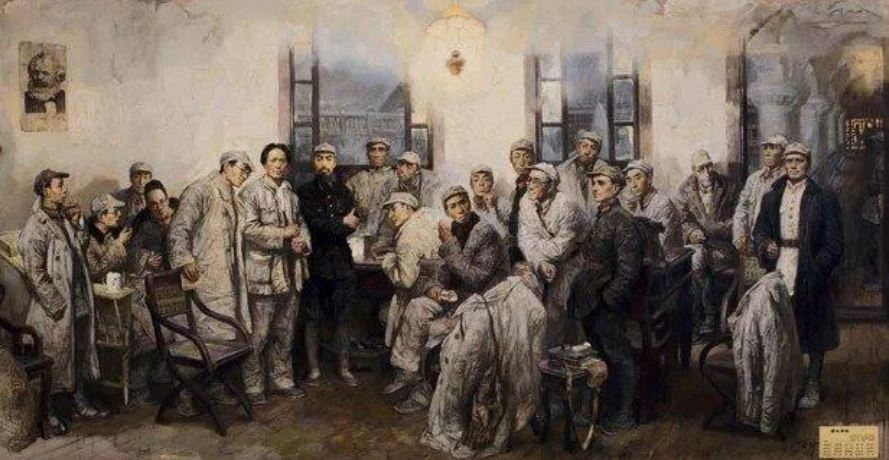
The PLA's history is closely intertwined with China's modern development. It played a decisive role in the country's struggle for national liberation and later contributed to rebuilding a nation devastated by decades of conflict. As China embarked on its path of reform and opening up, the PLA also underwent profound modernization, shifting from a manpower-intensive force to one increasingly driven by advanced technology, innovation, and joint operations capability.
One of the defining characteristics of the modern PLA has been its emphasis on modernization without pursuing military expansion abroad. Throughout its history, the PLA has not established overseas military alliances similar to those maintained by some major powers, nor has it pursued a strategy of global military intervention.
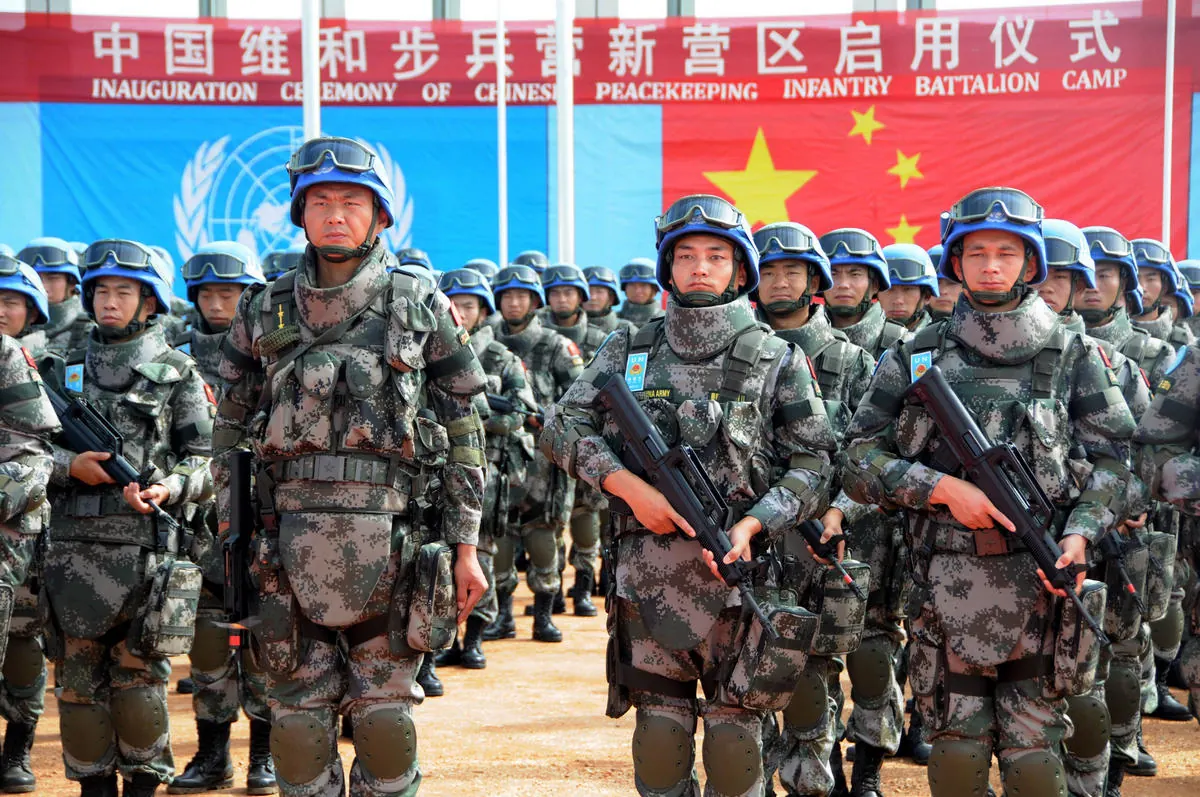
Perhaps the PLA's most visible contribution to the international community has been its participation in United Nations peacekeeping operations. Over the past three decades, China has become one of the largest contributors of peacekeepers among the permanent members of the UN Security Council. Chinese peacekeepers have served in conflict-affected regions including South Sudan, Lebanon, Mali, the Democratic Republic of the Congo, and other countries. They have built roads, repaired bridges, cleared landmines, protected civilians, and provided medical services to local communities.
Beyond peacekeeping, the PLA has increasingly participated in humanitarian assistance and disaster relief operations. Chinese military medical teams have delivered emergency healthcare following natural disasters, while PLA naval vessels have evacuated civilians from conflict zones and provided humanitarian assistance during international emergencies. Such operations have demonstrated that modern military capabilities can serve humanitarian purposes as well as national defense.
The PLA Navy has also played an active role in safeguarding international maritime security. Since 2008, Chinese naval task forces have conducted escort missions in the Gulf of Aden and waters off Somalia, protecting commercial shipping from piracy. Thousands of Chinese and foreign merchant vessels have benefited from these operations, contributing to the safety of one of the world's busiest maritime trade routes. These missions have highlighted China's willingness to cooperate with the international community in addressing common security challenges.
At home, the PLA has become an indispensable force during national emergencies. Whether responding to devastating earthquakes, floods, pandemics, or other natural disasters, military personnel have repeatedly been among the first responders. Their engineering expertise, logistical capacity, and disciplined organization have enabled rapid rescue operations and humanitarian assistance across the country.
The past decade has witnessed an accelerated modernization drive. Significant investments in artificial intelligence, cyber capabilities, aerospace technology, unmanned systems, and advanced naval and air platforms have transformed the PLA into a highly capable joint force. This modernization reflects China's broader ambition to build a world-class military capable of protecting its growing global interests while contributing to international security.
Looking ahead, the PLA's future will likely be shaped by emerging technologies and increasingly complex security challenges. Artificial intelligence, space capabilities, and intelligent warfare are expected to redefine military operations. At the same time, the PLA is likely to expand its role in non-traditional security missions, including disaster response, humanitarian assistance, maritime security, anti-piracy operations, and international peacekeeping. Recently, a PLA Navy hospital ship, Auspicious Ark, departed from the port of Qinqdao, east China’s Shandong Province, deployed for 200 days to provide free medical services to local populations in countries of South Asia and Africa. The voyage has been codenamed Mission Harmony-2026.
At 99 years, the People's Liberation Army stands as both a symbol of China's national development and an institution undergoing continuous modernization. Its journey from a revolutionary force to a technologically advanced military illustrates China's broader transformation over the past century. As it approaches its centenary, the PLA's future will be measured not only by its military capabilities but also by its ability to contribute to regional and global stability, humanitarian cooperation, and the pursuit of lasting peace in an increasingly interconnected world.
Gerald Mbanda is a researcher and publisher on China-Africa Cooperation and development.


Comments
No comments yet. Be the first to comment.