
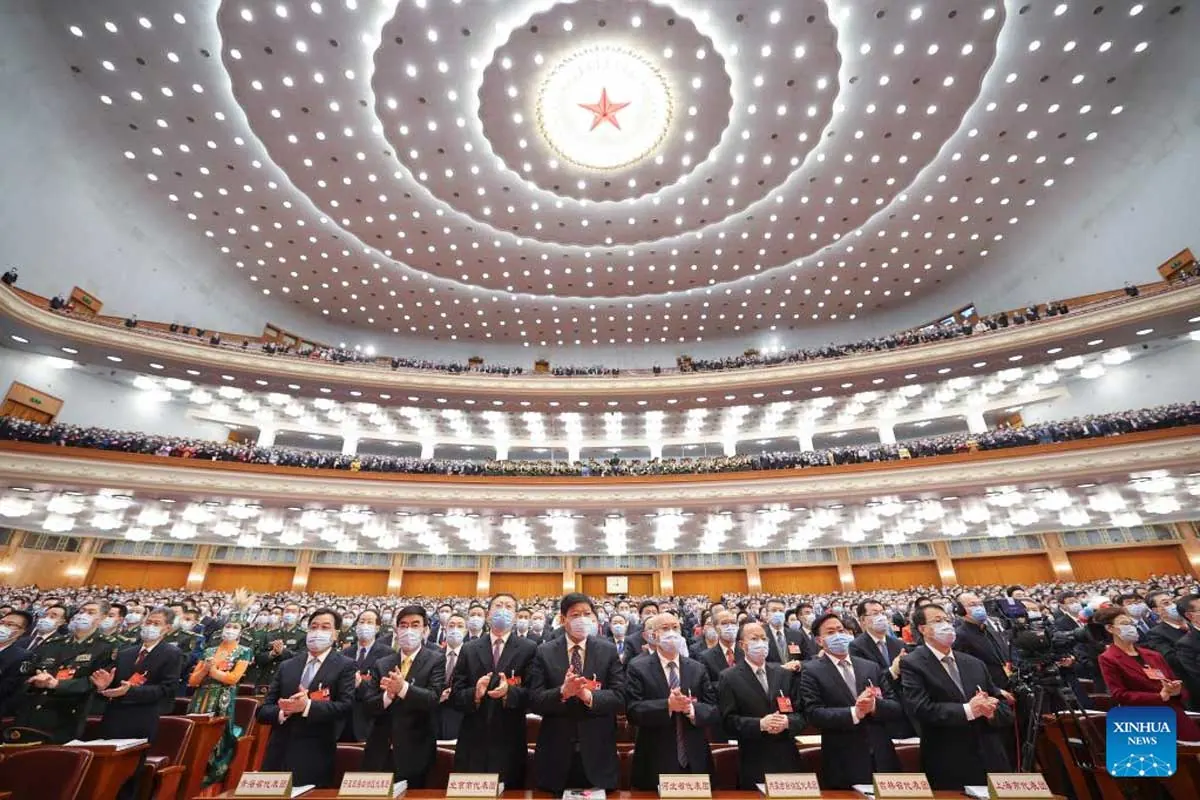
China’s Two sessions is an annual event usually taking place around March, bringing together the National People's Congress and the Chinese People's Political Consultative Conference, to deliberate on political and economic issues. This year’s Two Sessions marks the first full policy cycle under China’s 15th Five-Year Plan (2026–2030), setting the tone not only for the country’s domestic trajectory but also for its global engagement at a time of shifting geopolitical and economic realities.
The Two Sessions function as more than a legislative calendar event. They are the clearest annual window into China’s priorities, revealing how the leadership intends to steer economic growth, manage social transformation, and position China internationally. In 2026, the dominant theme is expected to be “high-quality development.” Rather than focusing solely on headline GDP expansion, policymakers are likely to emphasize structural reform, technological upgrading, and sustainable growth. With external demand uncertain and domestic consumption still recovering from previous slowdowns, expanding internal demand will remain central. Measures to stimulate household consumption, stabilize the property sector, and strengthen private sector confidence are likely to feature prominently in the government work report.
Technology and innovation will stand at the core of China’s strategic agenda. Over the past several years, China has underscored the importance of technological self-reliance, particularly in semiconductors, artificial intelligence, advanced manufacturing, and green energy. The 2026 sessions are expected to reinforce investment in research and development, industrial modernization, and digital infrastructure. Policymakers will likely outline steps to strengthen supply chain resilience and accelerate the commercialization of scientific breakthroughs. In doing so, China seeks to reduce vulnerabilities to external shocks while building globally competitive industries.
Demographic and social policies will also receive significant attention. With an aging population and declining birth rates, lawmakers face mounting pressure to strengthen healthcare systems, expand elderly care services, and reform pension frameworks. Employment policy, especially youth employment and skills training in high-tech sectors, will remain a sensitive and important issue. Budget allocations discussed during the sessions often signal where the government intends to concentrate resources, making the meetings closely watched by domestic stakeholders and foreign investors alike.
Beyond domestic reform, the Two Sessions serve as a platform to articulate China’s global outlook. Foreign policy messaging delivered during and around the meetings provides insight into China’s diplomatic posture. China’s leadership has repeatedly emphasized the importance of multilateralism and a stable international environment conducive to development. As articulated by Foreign Minister Wang Yi, Chinese diplomacy aims to safeguard national interests while contributing to global stability and cooperation.
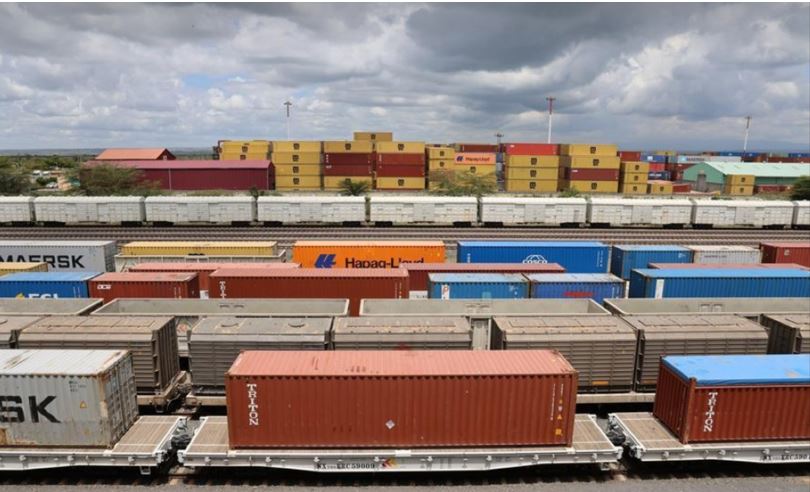
In 2026, the international dimension of the Two Sessions is especially significant. China continues to advance initiatives such as the Belt and Road Initiative, which seeks to expand infrastructure connectivity and trade links across Asia, Africa, Europe, and beyond. Discussions during the sessions are likely to reiterate support for global development partnerships and climate cooperation. As China deepens participation in multilateral institutions and forums like Asia-Pacific Economic Cooperation and the Group of Twenty, its domestic economic strategies increasingly intersect with global governance debates.
For the world economy, signals from the Two Sessions matter. As the second-largest economy globally, China’s growth targets, fiscal policies, and industrial strategies influence commodity prices, manufacturing supply chains, and cross-border investment flows. A stronger emphasis on green transition, for example, can accelerate global demand for renewable technologies and critical minerals. Policies that boost domestic consumption may create new opportunities for exporters and multinational firms seeking access to China’s vast market.
Strategically, the Two Sessions also shape perceptions of China’s long-term direction. The tone of official speeches, the legislative priorities adopted, and the economic targets announced collectively communicate how Beijing interprets the global environment. In a period marked by strategic competition and economic fragmentation, clarity from China’s top political meetings provides important reference points for governments, markets, and international institutions.
Ultimately, the 2026 Two Sessions are more than procedural gatherings. They represent a strategic checkpoint at the beginning of a new five-year phase, balancing internal modernization with external engagement. The decisions and narratives emerging from The Two Sessions in March will not only guide China’s development path but will also ripple outward, influencing economic patterns and diplomatic dynamics well beyond its borders.
Comments
No comments yet. Be the first to comment.