
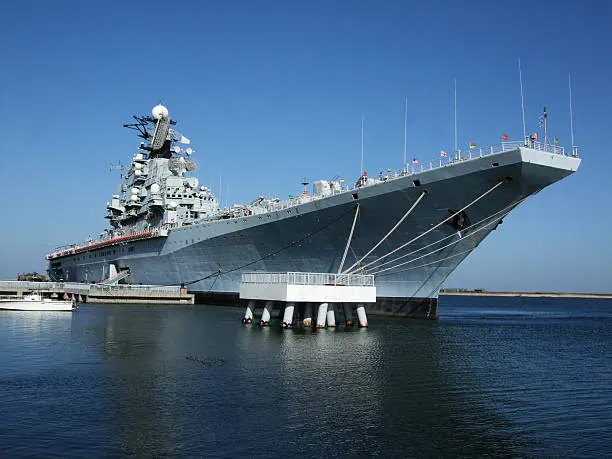
April 23 marks the 77th anniversary of the founding of the Chinese People’s Liberation Army Navy, a milestone that offers an opportunity to reflect on its transformation from a modest coastal defense force into one of the world’s most capable maritime services. Over the decades, the PLA Navy (PLAN) has steadily expanded its operational reach, modernized its fleet, and broadened its mission profile in ways that resonate both domestically and internationally.
One of the most notable achievements of the PLA Navy is its rapid modernization. From operating largely outdated vessels in its early years, the navy now fields advanced destroyers, frigates, submarines, and aircraft carriers. The commissioning of aircraft carriers such as the Liaoning and Shandong has symbolized China’s growing maritime ambitions and its determination to protect its interests beyond its immediate coastline. This modernization has been supported by advances in indigenous shipbuilding, radar systems, and missile technologies, reflecting the country’s broader technological progress.
Equally significant is the PLAN’s role in safeguarding China’s maritime sovereignty and economic lifelines. As global trade increasingly depends on secure sea lanes, the navy has taken on the responsibility of protecting shipping routes critical to international commerce. Anti-piracy missions in the Gulf of Aden, which began in 2008, have become a hallmark of China’s commitment to maritime security. These missions have not only protected Chinese vessels but have also contributed to the safety of international shipping, demonstrating the navy’s willingness to operate as a provider of global public goods.
Beyond security operations, the PLA Navy has distinguished itself in humanitarian assistance and disaster relief. Naval hospital ships and support vessels have been deployed to provide medical care, emergency supplies, and infrastructure support in regions affected by natural disasters. Such missions highlight a softer dimension of naval power, emphasizing cooperation and goodwill. They also showcase the navy’s logistical capabilities and readiness to respond to emergencies far from home shores.
The PLAN’s participation in international exercises and joint operations further underscores its evolving role. By engaging with navies from other countries, China has sought to build trust, improve interoperability, and contribute to collective security frameworks. These interactions have helped reduce misunderstandings and foster dialogue, particularly in an era where maritime disputes and strategic competition remain sensitive issues.
Domestically, the anniversary celebrations are marked by a mix of ceremonial and public engagement activities. Naval bases and museums often open their doors to visitors, allowing citizens to gain a closer understanding of the navy’s history and achievements. Fleet reviews, a traditional highlight, showcase the strength and discipline of naval forces, featuring formations of ships, submarines, and aircraft. These displays serve both as a morale booster for service members and as a symbol of national pride.
Educational programs and media features also play a central role in the celebrations. Documentaries, exhibitions, and public lectures recount the navy’s journey, honoring the contributions of sailors and officers who have shaped its development. Social media campaigns and interactive platforms engage younger generations, fostering awareness and appreciation of maritime defense.
Internationally, the anniversary is sometimes observed through port visits and goodwill exchanges. Foreign naval delegations may be invited to participate in commemorative events, reflecting China’s intention to present its naval growth as transparent and cooperative. Such engagements reinforce the message that the PLA Navy’s development is not solely about military strength but also about contributing to shared security.
As the PLA Navy marks its 77th anniversary, the focus is not only on past accomplishments but also on future aspirations. With an emphasis on innovation, sustainability, and global engagement, the navy continues to redefine its role in a rapidly changing world. Its journey illustrates how maritime forces can evolve to address both traditional security concerns and emerging global challenges, making the anniversary a moment of reflection as well as forward-looking ambition.
Gerald Mbanda is a researcher and publisher on China-Africa Cooperation and development




Comments
No comments yet. Be the first to comment.