
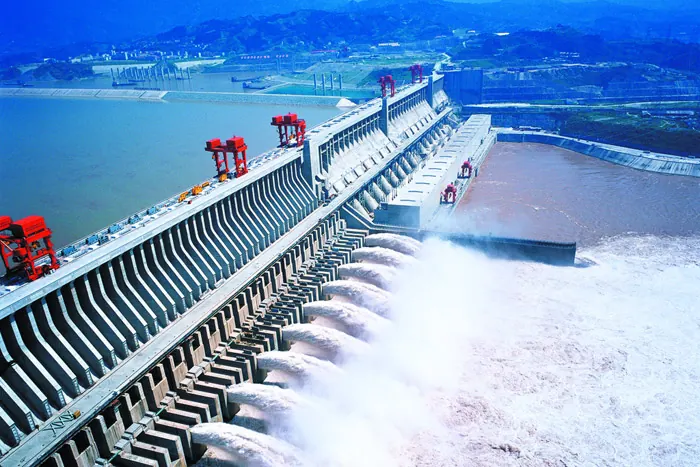
The Three Gorges Dam is the world largest hydroelectric station and the biggest dam project in the whole China has contributed a lot to the flood control, electricity generation, shipping, etc. officially opened to the public in 1997.
In 2025, China stands firmly at the top of global electricity generation, producing roughly one third of all electricity generated worldwide. Current energy data indicates that China accounts for about 32 to 33 percent of total global output. This places it far ahead of the United States, which contributes around 14 percent. In practical terms, China generates more than double the electricity of the next largest producer, underscoring both the scale of its economy and the intensity of its energy demand.
This dominance is not accidental. It is the result of decades of industrial expansion, infrastructure investment, and strategic energy planning. Electricity generation is closely tied to economic size because modern economies run on power. Factories, transportation systems, digital networks, construction projects, and households all depend on a steady flow of electricity. When a country produces nearly one third of the world’s electricity, it signals an economy operating at extraordinary scale.
China’s massive industrial base is one of the main drivers behind its electricity output. The country remains the world’s largest manufacturing hub, producing steel, cement, machinery, electronics, consumer goods, and increasingly high-tech products such as electric vehicles and advanced batteries. Heavy industries such as steel and chemicals are particularly energy intensive, requiring vast amounts of power to maintain high-temperature processes and automated production lines. As these sectors expanded, electricity demand rose alongside them.
Beyond traditional manufacturing, China’s digital economy also contributes significantly to electricity consumption. Data centers, cloud computing facilities, artificial intelligence research hubs, and telecommunications networks require uninterrupted power supplies. The rapid expansion of these sectors has added a new layer of demand on top of existing industrial needs. Rising urbanization further amplifies consumption, as millions of households depend on electricity for heating, cooling, transportation, and daily living.
The scale of installed generation capacity reflects this demand. China has built an enormous power system that includes coal-fired plants, hydropower dams, nuclear facilities, wind farms, and solar parks. While coal still plays a major role in ensuring grid stability, renewable energy has grown at remarkable speed. Wind and solar capacity now represent a substantial share of total installed power. This expansion not only supports domestic demand but also strengthens China’s leadership in clean energy technology manufacturing, from photovoltaic panels to battery storage systems.
Electricity production serves as a strong indicator of economic momentum. Rising power output often correlates with increased industrial production, infrastructure development, and export activity. In 2025, China’s electricity consumption surpassed 10 trillion kilowatt-hours, a milestone that reflects broad-based economic activity. Although electricity growth does not automatically guarantee higher living standards, it typically signals expanding production capacity and sustained economic dynamism.
The implications for global markets are significant. As the largest producer of electricity, China influences demand for fuel sources such as coal, natural gas, and uranium, as well as raw materials used in renewable technologies. Its scale allows it to shape global supply chains, set cost benchmarks, and drive technological innovation. When China invests heavily in renewable infrastructure, the resulting economies of scale can reduce global prices for solar panels, wind turbines, and battery systems, accelerating energy transitions elsewhere.
At the same time, high electricity production highlights the challenges of balancing growth with sustainability. Managing grid stability, reducing emissions, and improving efficiency remain central priorities. Continued modernization of the grid, expansion of storage technologies, and integration of smart systems will determine how effectively China sustains its growth trajectory.
Ultimately, China’s lead in global electricity generation reflects more than just energy statistics. It represents the scale of its industrial capacity, the depth of its infrastructure network, and the central role it plays in the global economy. Producing nearly one third of the world’s electricity is both a symbol of economic strength and a reminder of the immense responsibility that comes with powering such a vast and influential economy.

Comments
No comments yet. Be the first to comment.