
China is increasingly viewed by many countries as a steady and stabilizing force in global affairs in an era marked by geopolitical tension and uncertainty. From the ongoing Russia-Ukraine War to heightened tensions in the Middle East involving Israel, Iran, and Palestine, the international system is under significant strain. Against this backdrop, China’s diplomatic posture, rooted in non-interference, multilateralism, and economic cooperation, has positioned it as what many observers describe as a “beacon of peace and stability.”
One of the defining features of China’s foreign policy is its consistent emphasis on peaceful coexistence. Drawing from the Five Principles of Peaceful Coexistence—mutual respect for sovereignty, non-aggression, non-interference, equality, and mutual benefit—China has sought to distinguish itself from interventionist approaches often associated with major powers. Rather than aligning itself with military blocs or escalating conflicts, China promotes dialogue as the primary means of resolving disputes. This approach has resonated with many nations, particularly in the Global South, that prioritize sovereignty and development over confrontation.
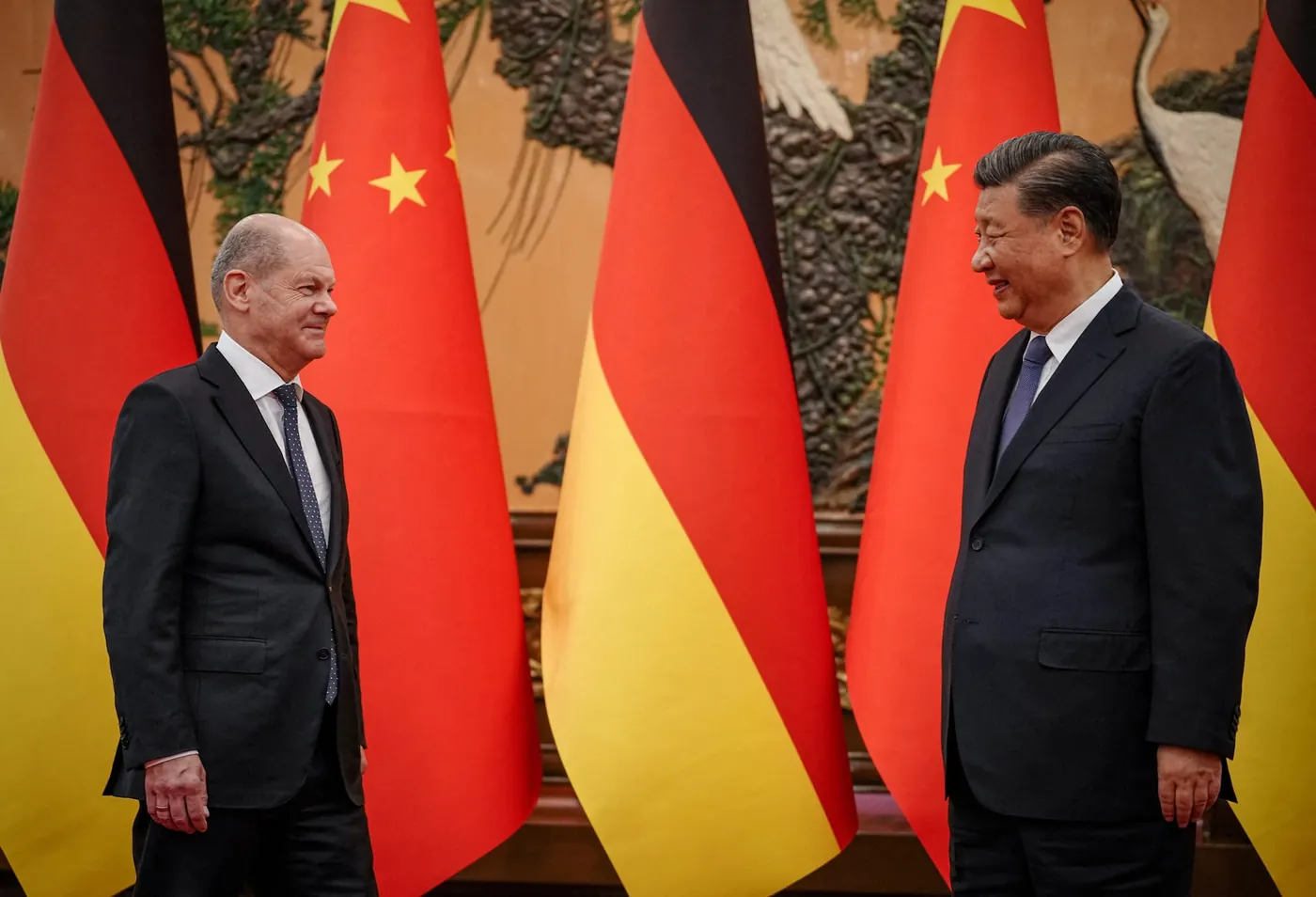
In 2026, Beijing has continued to attract high-level diplomatic engagements with world leaders coming from all corners of the globe. These visits, drawn from different regions and political systems, reflect a shared interest in engaging China on trade, development, and global stability. They also signal a broader shift in the international landscape, where countries are increasingly looking toward Beijing as a partner in navigating global uncertainty.
China’s role in mediating international disputes has further strengthened its image as a stabilizing actor. A notable example is its facilitation of rapprochement between Saudi Arabia and Iran, two regional rivals whose tensions had long contributed to instability in the Middle East. By helping restore diplomatic ties between them, China demonstrated its capacity to deliver tangible peace outcomes through dialogue rather than coercion. This success has reinforced confidence among other nations that China can play a constructive role in conflict resolution.
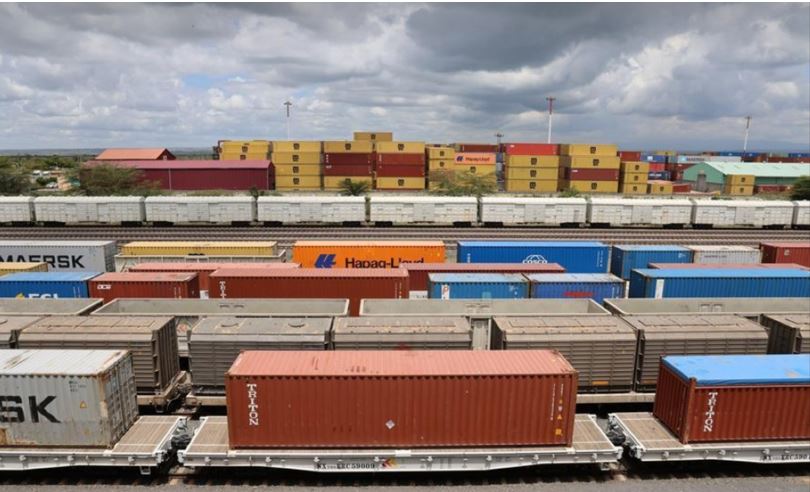
China has invested heavily in infrastructure, trade, and connectivity projects across Asia, Africa, and beyond. These investments are not only about economic growth; they also address underlying causes of instability such as poverty, underdevelopment, and lack of connectivity. By promoting shared prosperity, China contributes to a more stable international environment where countries are less prone to conflict.
Moreover, China’s advocacy for multilateralism and a more inclusive global governance system has gained traction. At a time when some traditional powers are perceived as retreating from international commitments or prioritizing unilateral actions, China has consistently called for strengthening institutions like the United Nations and enhancing cooperation on global challenges such as climate change, public health, and economic recovery. This commitment to collective action reinforces its image as a responsible global stakeholder.
In a world increasingly defined by fragmentation and rivalry, China’s emphasis on dialogue, development, and mutual respect offers an alternative pathway. China has carved out a role that many view as essential for maintaining global balance. As geopolitical tensions continue to evolve, China’s ability to sustain this approach will play a significant role in shaping the future of international peace and stability.
Gerald Mbanda is a researcher and publisher on China-Africa Cooperation and development.


Comments
No comments yet. Be the first to comment.