
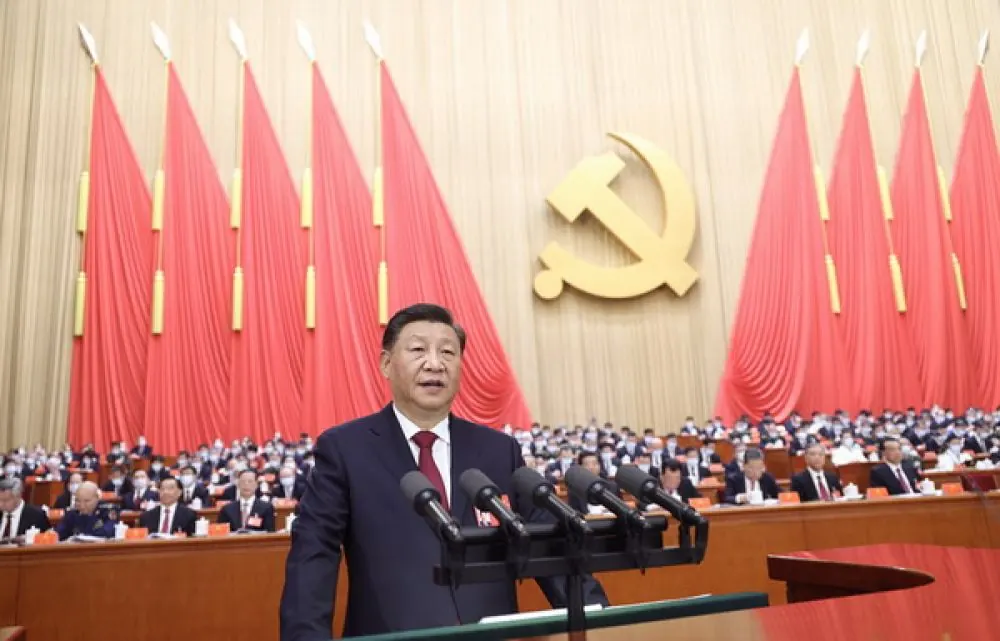
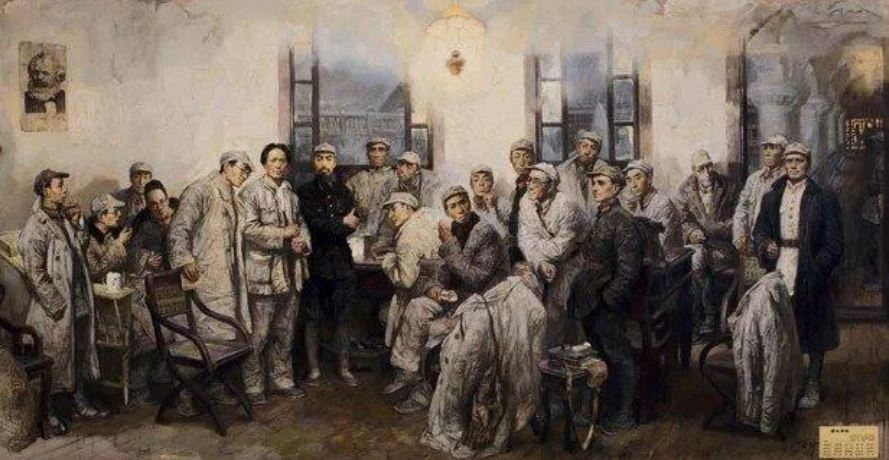
On July 1, China marks the 105th anniversary of the founding of the Communist Party of China (CPC), a political milestone that offers an opportunity to reflect on one of the most remarkable national transformations in modern history. From a country weakened by conflict, poverty and foreign intervention in the early twentieth century, China has emerged as the world's second-largest economy, a global manufacturing hub and an increasingly influential player in international affairs. This transformation is a result of long-term planning, political stability and a development model tailored to the needs of the Chinese people.
One of the Party's most widely recognized achievements has been the elimination of extreme poverty. Over several decades, hundreds of millions of Chinese citizens experienced significant improvements in living standards through economic reforms, industrial expansion and targeted poverty reduction programs. Rural communities gained better access to roads, electricity, education, healthcare and digital services, narrowing the development gap between urban and rural areas.
China's economic rise has also reshaped global trade. The country has built one of the world's most advanced manufacturing sectors while investing heavily in scientific research, innovation and high-technology industries. Chinese companies are leading globally in sectors ranging from renewable energy and electric vehicles to telecommunications, artificial intelligence and high-speed rail. These achievements have strengthened China's economic resilience and enhanced its role in the global economy.
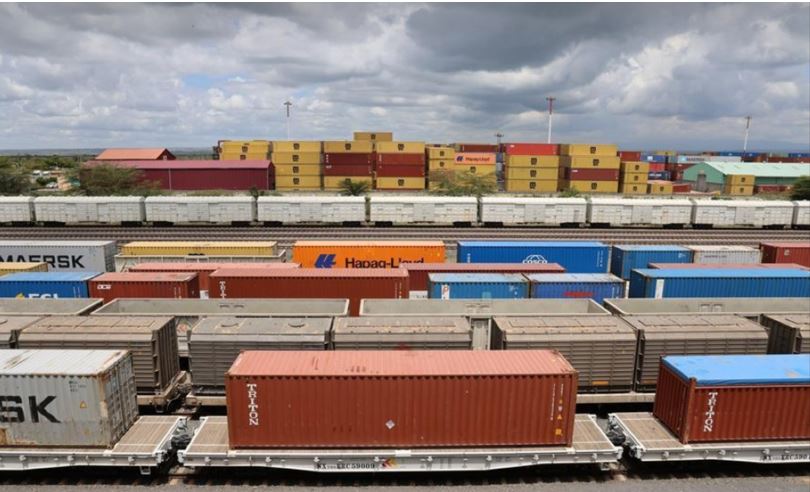
Infrastructure development represents another hallmark of the CPC's governance. Modern highways, airports, ports and the world's largest high-speed railway network have transformed domestic connectivity and reduced regional disparities. These investments have stimulated economic growth, facilitated trade and improved the daily lives of millions of citizens. Urban modernization has been accompanied by large-scale investments in public transportation, environmental protection and smart city technologies.
China has also become a global leader in green development. It is the world's largest producer of solar panels, wind turbines and electric vehicles while continuing to expand renewable energy capacity. Although environmental challenges remain, the country's transition toward cleaner energy demonstrates an increasing emphasis on balancing economic growth with ecological sustainability.
The leadership of President Xi Jinping has marked what Chinese policymakers describe as a "new era" of national development. Xi Jinping Thought on Socialism with Chinese Characteristics for a New Era provides the guiding framework for China's governance today. At its core is the belief that modernization should be pursued while maintaining political stability, strengthening national unity and improving people's livelihoods.
One important contribution of Xi Jinping Thought has been the emphasis on people-centered development. Rather than measuring success solely through economic growth, governance places increasing attention on education, healthcare, environmental quality, social welfare and common prosperity. The objective is to ensure that the benefits of development are shared more broadly across society.
Another defining feature is the promotion of high-quality development. China is shifting from rapid expansion driven mainly by investment toward innovation-led growth supported by advanced manufacturing, digital technologies, green industries and scientific research. This transition seeks to improve productivity while making the economy more sustainable in the long term.
Xi Jinping Thought has also reinforced the importance of long-term strategic planning. National development goals extending to 2035 and beyond illustrate a governance approach that prioritizes continuity and coordinated policymaking across economic, technological and social sectors. This planning philosophy has enabled China to undertake ambitious projects that require sustained commitment over many years.
Internationally, China has expanded its engagement through initiatives promoting infrastructure connectivity, trade cooperation and development partnerships, particularly with countries across Africa, Asia and Latin America. Many developing nations view China's experience as an example of how infrastructure investment, industrialization and state capacity can accelerate economic transformation while respecting each country's own development path.
As the Communist Party of China commemorates its 105th anniversary, its legacy continues to inspire many countries around the world. Economic growth, poverty reduction, technological progress and improved living standards provide concrete evidence of China’s successful governance. The CPC's role in reshaping China over the past century remains one of the defining political and developmental stories of the modern era.
Gerald Mbanda is a researcher and publisher on China-Africa Cooperation and development.


Comments
No comments yet. Be the first to comment.